

Business Hours:
Monday – Friday: 8:00 AM – 12:00 PM, 1:30 PM – 5:30 PM
Hit enter to search or ESC to close
Monday – Friday: 8:00 AM – 12:00 PM, 1:30 PM – 5:30 PM
High-performance safety hardware designed for immediate decontamination and hazard mitigation in water pollution control and chemical environments.

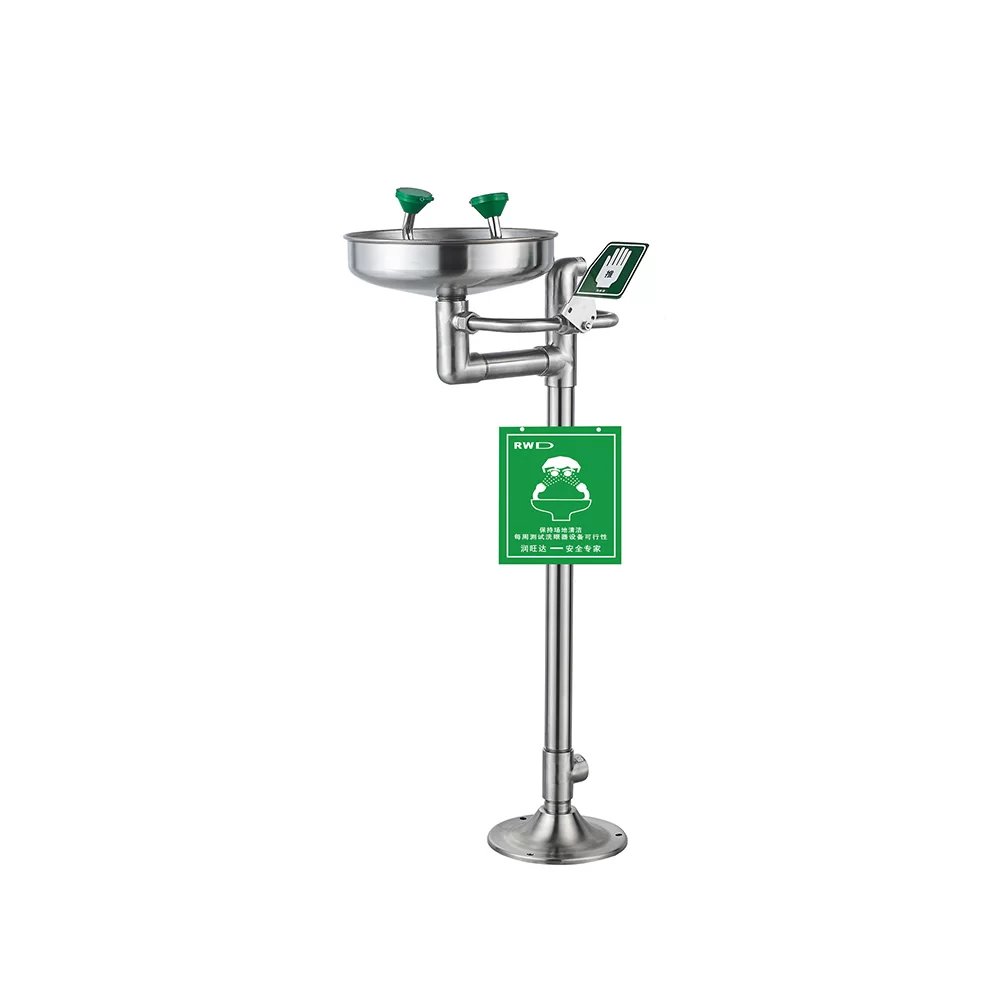

Addressing the specific environmental and regulatory challenges of water pollution control equipment manufacturing in West Africa.
In Africa - Ghana, the rise of chemical processing and water treatment facilities has intensified the demand for reliable emergency decontamination. The tropical climate and varying water quality in certain regions necessitate equipment that is not only durable but resistant to corrosion and mineral buildup, ensuring that an eyewash and shower station functions perfectly during a critical failure.
Local procurement often prioritizes a balance between international safety certifications and long-term operational stability. For Ghanaian laboratories, the integration of robust safety stations is no longer optional but a core requirement for operational licensing and worker protection.
The adoption of a small fume extractor is becoming increasingly common in smaller Ghanaian research hubs where full-scale HVAC systems are cost-prohibitive. This shift allows for localized air quality control without massive infrastructure overhauls.
Furthermore, the focus on water pollution prevention equipment requires specialized laboratory setups where a laboratory drying rack and precise drainage systems prevent cross-contamination, enhancing the overall integrity of environmental research.
From basic metal fittings to integrated, standard-compliant safety ecosystems.
Focus on durable metal faucets and basic water delivery systems for industrial use.
Introduction of laboratory-grade gas valves and corrosive-resistant sanitary ware.
Adoption of ANSI and ISO standards for emergency showers and eyewash stations.
Development of portable and small-scale fume extraction for versatile lab environments.
Integration of sensor-based monitoring for air quality and emergency water flow.
Increased use of high-density PP and specialized polymers to combat the high humidity and salinity often found in coastal Ghana labs.
A shift toward portable solutions, such as the portable paint fume extractor, to support flexible workspace configurations.
Water-saving technologies in safety stations to align with sustainable industrialization goals in West Africa.
Analyzing the intersection of environmental protection and laboratory safety.
Optimizing the placement of eye wash bottle station units for sub-10 second access in high-risk zones.
Implementing targeted filtration using small fume extractor units for VOC removal in small-scale labs.
Utilizing chemical-resistant PP materials for sinks and pegboards to ensure long-term durability in harsh environments.
Aligning all safety hardware with GB and ANSI protocols to facilitate international partnership and certification.
The synergy between water pollution control and lab safety is critical. In Ghana, where environmental regulations are tightening, laboratories must ensure that their equipment prevents accidental spills while providing immediate relief through integrated safety stations.
Modernizing these facilities requires a transition from generic hardware to specialized tools. This includes replacing outdated ventilation with focused extractors and upgrading basic wash stations to full ANSI-compliant systems.
How safety equipment integrates into diverse professional environments across the region.
High-volume testing for heavy metals requires rigorous eyewash and shower station deployment to protect technicians from acid splashes during sample preparation.
Academic settings in Accra and Kumasi utilize laboratory drying rack systems to optimize limited space while maintaining strict organization of glassware.
Precise compound mixing requires the use of a small fume extractor to remove localized solvent vapors, ensuring a healthy breathing zone for operators.
Small-scale manufacturing plants integrate a portable paint fume extractor to maintain air quality during batch finishing processes.
Remote testing facilities rely on the eye wash bottle station for immediate, portable decontamination in areas where plumbed water lines are inconsistent.
Over four decades of commitment to laboratory safety and precision manufacturing.
Specialized in metal accessories and faucet production for major plumbing factories, establishing a core competency in precision metalwork.
Transitioned to Hebei Wuqiang Sanitary Ware Factory, expanding into train faucets and laboratory accessories for domestic and international markets.
Operated as Hebei Runwangda Making Clean Materials Co., Ltd., focusing on R&D of security equipment and laboratory accessories exported to Africa and Southeast Asia.
A comprehensive leader in laboratory safety, operating from a 26,000+ sq m headquarters, delivering OEM services to global enterprises under ISO 9000 quality systems.
From emergency drench showers to high-efficiency fume extractors, explore our full range of compliant safety hardware.
Detailed answers regarding the procurement and installation of safety equipment in Ghana.
Discover how Hebei Runwangda's compliant water pollution control and safety equipment can protect your personnel and ensure regulatory adherence in the manufacturing sector.
Get a Customized Safety Solution


