
Business Hours:
Monday – Friday: 8:00 AM – 12:00 PM, 1:30 PM – 5:30 PM
Hit enter to search or ESC to close
Monday – Friday: 8:00 AM – 12:00 PM, 1:30 PM – 5:30 PM
Ensure immediate decontamination and safety with our certified eyewash and shower station units designed for rigorous industrial environments.


Addressing the demand for specialized environmental and laboratory protection equipment.
Angola's industrial landscape, particularly in oil, gas, and chemical processing, requires stringent adherence to safety protocols. The deployment of an eye wash bottle station is no longer optional but a critical necessity for facilities handling hazardous substances. As the country diversifies its manufacturing base, the need for standardized, durable safety equipment that can withstand tropical humidity and intensive use has increased significantly.
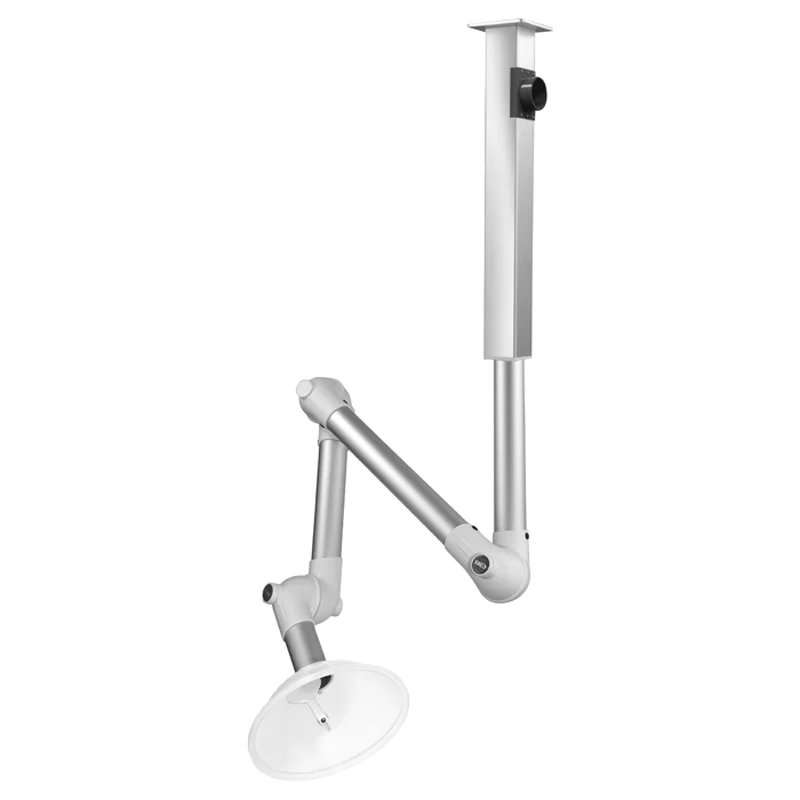
One of the primary challenges for Angolan enterprises is sourcing equipment that meets international certifications like ANSI Z 358.1-2014. Local laboratories often struggle with inadequate ventilation and decontamination setups. The integration of a small fume extractor provides a cost-effective yet efficient way to manage volatile organic compounds (VOCs) in smaller research spaces, reducing health risks for technicians.
The future of Angola's laboratory infrastructure points toward integrated safety ecosystems. By combining portable solutions, such as a portable paint fume extractor, with permanent installations, companies can achieve flexible protection. The focus is shifting toward high-durability materials and low-maintenance systems that ensure long-term operational reliability in remote industrial zones.
Tracing the shift from basic containment to advanced specialized extraction and decontamination.
Reliance on simple ventilation and basic water stations for emergency response in industrial settings.
Introduction of international safety codes, emphasizing specialized equipment like the laboratory drying rack for organized chemical handling.
Integration of localized extraction systems and high-flow emergency showers for rapid chemical neutralization.
Analyzing the technical and operational shifts in specialized equipment manufacturing.
Improved airflow dynamics in fume extractors to ensure zero-leakage of hazardous vapors in dense lab settings.
Designing modular safety stations that provide full ANSI compliance without requiring massive facility overhauls.
The rise of portable extraction units for use in varied environments, from painting booths to chemical warehouses.
Implementing high-density PP and advanced alloys that extend the life cycle of equipment in corrosive environments.
The growth of specialized equipment in Angola is driven by a commitment to occupational health. As industries evolve, the value shift is moving from "having equipment" to "having the right specification" for the specific chemical risk profile of the facility.
Supply chain reliability remains a focal point, with an increasing preference for manufacturers who provide comprehensive technical support and adhere to global quality systems like ISO 9000 to ensure consistent product performance.
Practical deployment of safety equipment across diverse operational environments in Angola.
Installation of high-capacity eyewash and shower station units near hazardous transfer points to ensure rapid decontamination for operators.
Utilizing a laboratory drying rack and specialized sinks to maintain a sterile, organized environment for academic scientific research.
Deployment of a portable paint fume extractor to capture solvent vapors at the source, protecting workers in open-air workshops.
Integrating a small fume extractor for precise handling of reagent samples, ensuring a fume-free environment in compact QC rooms.
Using an eye wash bottle station for mobile teams performing onsite equipment cleaning and maintenance in remote sectors.
Hebei Runwangda Laboratory Equipment Co., Ltd. Global Development Journey
Established as Hebei Xiaofan Metal Accessories Factory, specializing in metal accessories and faucets for export markets.
Operated as Hebei Wuqiang Sanitary Ware Factory, diversifying into laboratory accessories and securing independent export rights.
Transitioned to Hebei Runwangda Making Clean Materials Co., Ltd., focusing on R&D for security equipment and expanding into Africa and the Middle East.
Now Hebei Runwangda Laboratory Equipment Co., Ltd., specializing in professional lab accessories and safety protection for over 50 countries.
Explore our full range of certified laboratory safety accessories, from fume extraction to emergency decontamination systems.
Technical guidance for selecting and maintaining lab safety systems in Angola.
Upgrade your industrial safety infrastructure in Angola with Hebei Runwangda's professional laboratory equipment. From consultation to delivery, we provide the technical expertise needed for full compliance.
Request Technical Quote