


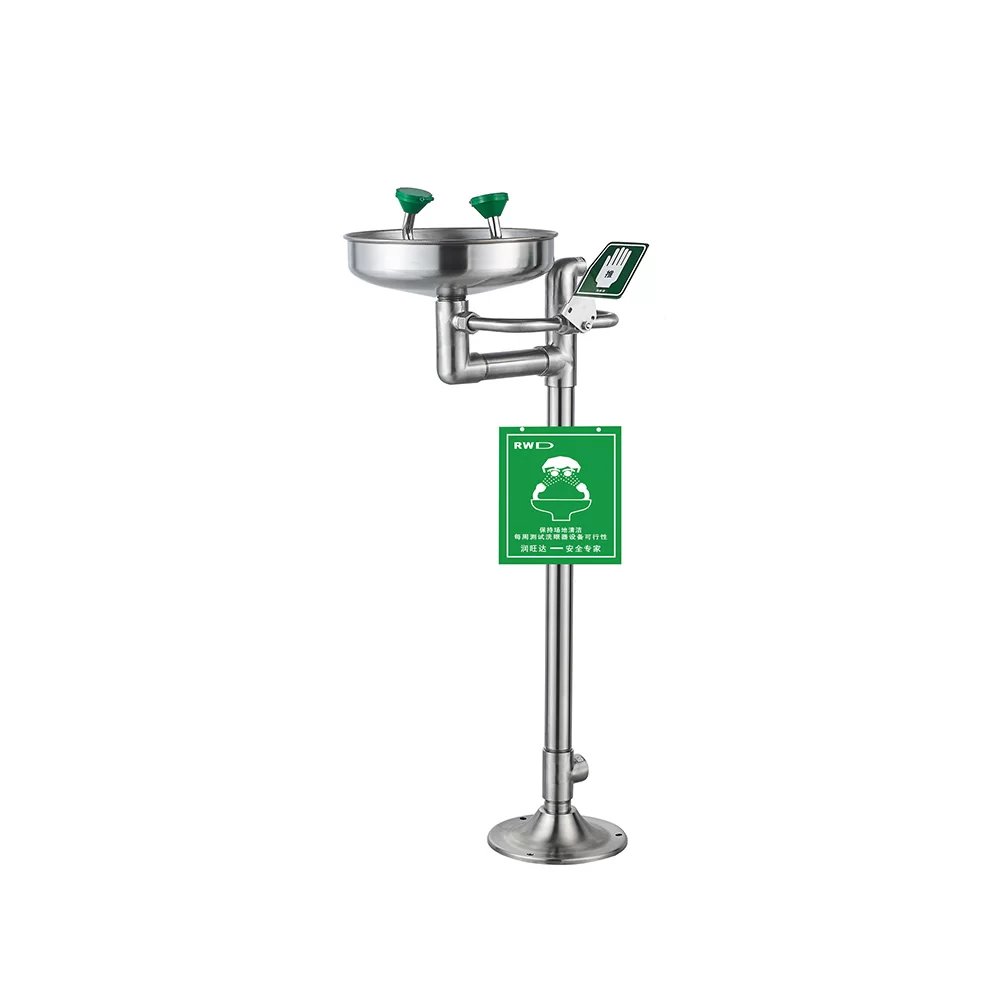

Equatorial Guinea's economic landscape is heavily driven by its energy sector, which necessitates advanced chemical analysis and quality control laboratories. In these high-stakes environments, the installation of a professional eyewash and shower station is not merely a preference but a critical safety requirement to mitigate risks associated with hazardous chemical splashes. The tropical climate and humidity of the region also demand equipment constructed from highly corrosion-resistant materials to ensure long-term operational reliability.
Beyond large-scale installations, there is a growing demand for localized safety tools in educational and research facilities. The use of a eye wash bottle station provides an essential first line of defense in smaller workstations where fixed plumbing may be unavailable. As local laboratories modernize, the focus is shifting toward integrating comprehensive safety protocols that protect both the operator and the surrounding environment from chemical exposure.
Furthermore, the rise of small-scale manufacturing and specialized workshops in urban centers has highlighted the need for air quality management. Implementing a small fume extractor helps in managing volatile organic compounds (VOCs) in confined spaces. This transition toward stringent environmental protection standards ensures that industrial growth in Equatorial Guinea aligns with international health and safety benchmarks, reducing occupational hazards across the manufacturing spectrum.


