Business Hours:
Monday – Friday: 8:00 AM – 12:00 PM, 1:30 PM – 5:30 PM
Hit enter to search or ESC to close
Monday – Friday: 8:00 AM – 12:00 PM, 1:30 PM – 5:30 PM
June 18 2026
In industrial environments where hazardous chemicals, caustic substances, or irritating dust are present, every second counts during an accident. An emergency eye wash shower serves as the first line of defense, providing immediate decontamination to prevent permanent injury or blindness. Implementing a high-quality rinsing station is not just a matter of operational efficiency, but a critical requirement for occupational health and safety compliance. This guide explores how to select, install, and maintain these vital systems to ensure your workforce remains protected under the most challenging conditions.

The primary goal of an emergency eye wash shower is to dilute and flush contaminants from the eyes and skin as quickly as possible. When a chemical splash occurs, the substance begins reacting with biological tissue immediately. A properly functioning station ensures a continuous flow of tepid water, which is essential for effective irrigation without causing thermal shock to the victim. By reducing the contact time between the hazardous agent and the body, these systems significantly lower the severity of chemical burns and ocular damage, ensuring a faster recovery process for the employee.
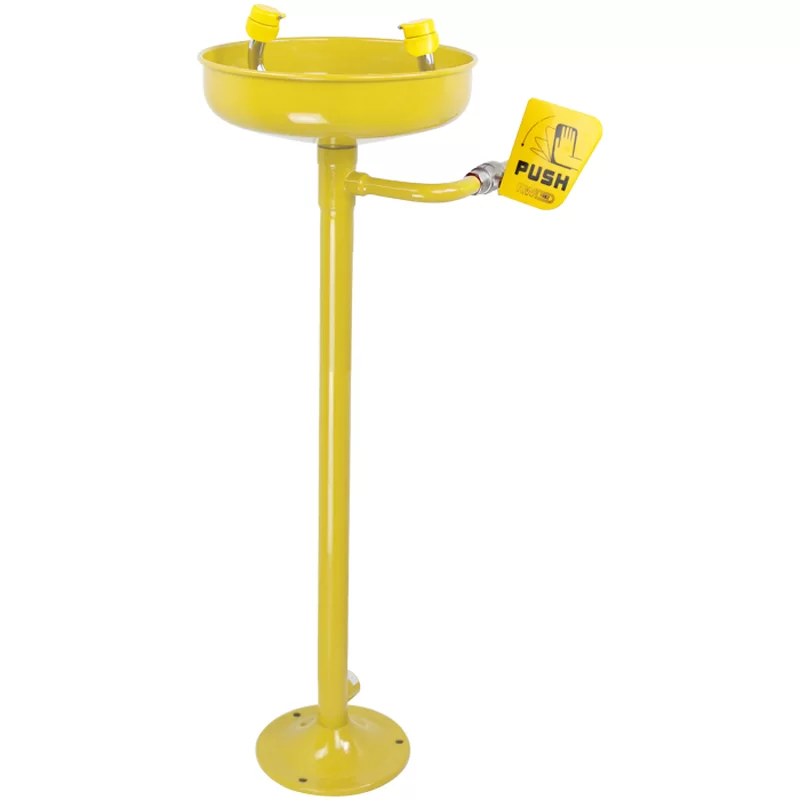
Depending on the risk level and available space, different configurations of an emergency eye wash shower are available. Combination units are the most common, offering both a high-flow shower for the body and a dedicated eye/face wash station. For smaller areas with localized risks, portable eye wash stations or wall-mounted units may suffice. The choice depends on the volume of chemicals used and the distance to the nearest plumbing source. Ensuring that the unit is "hands-free" once activated—allowing the user to focus on rinsing—is a key design requirement for all professional safety installations.
Pro Tip: Always ensure the path to the station is unobstructed. OSHA and ANSI guidelines typically require that a station be reachable within 10 seconds (approximately 55 feet) of the hazard.
Selecting the right equipment requires a comparison of flow rates, materials, and activation mechanisms. A high-quality emergency eye wash shower should be constructed from corrosion-resistant materials like stainless steel or specialized ABS plastics to withstand harsh industrial atmospheres. Below is a comparison of standard unit types to help you determine the best fit for your facility.
Placement is the most critical factor in the effectiveness of an emergency eye wash shower. The unit must be located in a place where it can be reached quickly without the user having to navigate around obstacles or through doors that could be locked. Additionally, the water temperature should be "tepid" (typically between 60°F and 100°F) to prevent the user from jumping back due to extreme cold or suffering further burns from hot water. Proper signage and high-visibility colors (usually safety green and yellow) are essential to ensure the station is easily identifiable during a panic situation.

Installing the hardware is only half the battle; consistent maintenance is what saves lives. An emergency eye wash shower can become clogged with sediment or develop bacterial growth (such as Legionella) if the water remains stagnant. Weekly activation tests are recommended to flush the lines and ensure the valves operate smoothly. For facilities using self-contained tanks, water replacement schedules must be strictly followed. Below are the standard technical specifications often required for industrial compliance:
Ensuring your facility is equipped with a high-performance emergency eye wash shower is an indispensable part of a modern safety strategy. From selecting the right combination of shower and eye wash to implementing a rigorous weekly testing schedule, every detail contributes to the well-being of your employees. By investing in durable, compliant, and easy-to-access equipment, you not only meet legal requirements but also foster a culture of safety and care. Protect your most valuable assets—your people—by ensuring that immediate decontamination is always within reach.
It is highly recommended to perform a functional test on your equipment once a week. This process involves activating the unit to ensure that water flows freely, the pressure is adequate, and the drainage system is working correctly. Weekly flushing is critical because it clears the pipes of sediment and prevents the accumulation of bacteria and biofilms that can occur in stagnant water lines. Documenting these tests in a maintenance log is also a requirement for many safety audits and regulatory inspections.
According to standard safety guidelines, an emergency station should be reachable within 10 seconds of the accident. In practical terms, this usually means the unit should be located within 55 feet (approx. 16.7 meters) of the hazardous area. The path must be clear of any obstacles, as an injured person with impaired vision will struggle to navigate around equipment or through narrow corridors. If your facility is very large, installing multiple units at strategic points is the best way to maintain this safety window.
While a sink can provide water, it is not a suitable replacement for a professional emergency eye wash shower. Dedicated stations are designed to provide a specific flow rate and a gentle spray pattern that allows for simultaneous rinsing of both eyes without the user needing to hold the water on. Sinks often lack the necessary volume of water for a full 15-minute flush and do not offer the hands-free operation required for someone who may be in pain or partially blinded.
Tepid water refers to water that is kept at a moderate temperature, typically between 60°F and 100°F (16°C to 38°C). This is required because water that is too cold can cause thermal shock or hypothermia during a prolonged 15-minute rinse, which may lead the victim to stop the rinsing process prematurely. Conversely, water that is too hot can exacerbate chemical burns or cause secondary thermal injuries. A tempering valve is often installed in the plumbing system to ensure a consistent, safe temperature regardless of the season.