Business Hours:
Monday – Friday: 8:00 AM – 12:00 PM, 1:30 PM – 5:30 PM
Hit enter to search or ESC to close
Monday – Friday: 8:00 AM – 12:00 PM, 1:30 PM – 5:30 PM
June 26 2026
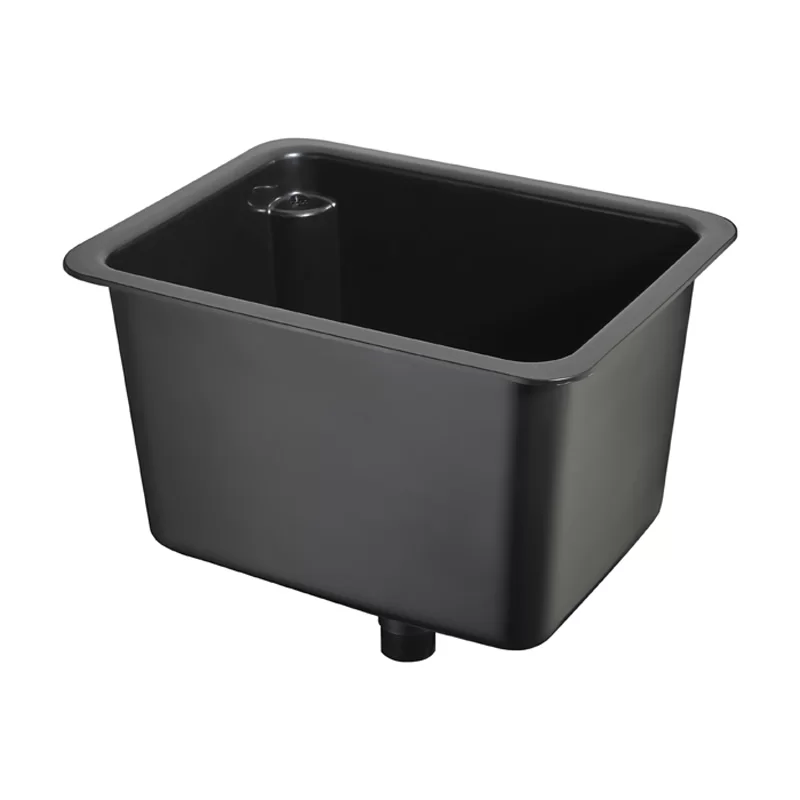
In modern scientific research and industrial testing, maintaining a sterile and safe environment is non-negotiable. The use of professional laboratory basins and spill pallets is critical for preventing hazardous chemical leaks from contaminating the workspace. Whether you are managing a medical facility or a large-scale industrial laboratory, implementing a seamless leak-proof structure ensures that accidents are contained and managed efficiently. This guide explores the technical advantages of LLDPE materials and how choosing the right containment system can safeguard your personnel and comply with international environmental standards.

The effectiveness of laboratory basins depends heavily on the material used. Linear High-Density Polyethylene (LLDPE) is the gold standard for spill containment due to its exceptional acid and alkali resistance. Unlike metal or standard plastics, LLDPE does not corrode when exposed to harsh chemical reagents, making it ideal for long-term outdoor or indoor use. The seamless structure eliminates the risk of joint leaks, ensuring a 100% leak-proof performance that protects the integrity of the laboratory floor and prevents groundwater pollution.
Material Highlight: LLDPE offers superior chemical inertness and high impact strength, ensuring that containment systems remain intact even under the pressure of heavy labware or accidental drops.
Efficient warehouse and lab planning require modular containment solutions. High-quality laboratory basins come in various models to accommodate different bottle sizes, beakers, and industrial containers. By utilizing diversion trenches and gratings, these pallets automatically channel leaks into a central sump. This systematic approach allows laboratory managers to rectify chemical storage layouts reasonably, ensuring that every hazardous substance has a designated, secure containment area to prevent site-wide contamination.
Selecting the correct model requires a detailed understanding of bearing capacity and volume. Our professional range is designed to meet the strict requirements of diverse research and medical environments. Below is the detailed specification table for the RWD series of spill containment pallets:
Safety compliance is not just a recommendation; it is a legal necessity. Professional laboratory basins must conform to recognized standards, such as the EPA 40 CFR 264.175 set by the United States Environmental Protection Agency. This certification ensures that the spill deck can effectively contain hazardous waste and prevent accidental releases. By adhering to these standards, facilities reduce their liability and ensure a safer workplace for research personnel and technicians.

While laboratory basins provide the first line of defense, immediate action is required once a leak is detected. The integrated outlet in RWD pallets allows for the easy and sanitary dumping of collected liquids. However, if a leak exceeds the capacity of the pallet or diffuses beyond the boundary, professional personnel must use specialized chemical suction products for timely plugging and absorption. Regular inspection of the grating and drainage pathways ensures the system remains functional and ready for emergencies.
Investing in high-quality laboratory basins is a fundamental step in risk management for any chemical-handling facility. By combining LLDPE durability, EPA-compliant designs, and an intuitive leak-diversion system, you can significantly reduce the environmental impact of accidents and protect your most valuable asset—your people. For more information on professional containment solutions, visit www.rwdlabsafety.com.
Linear High-Density Polyethylene (LLDPE) is chosen for its superior resistance to a wide array of acids and alkalis, which are common in lab environments. Unlike other plastics, LLDPE is less prone to stress cracking and can withstand temperature fluctuations without losing its structural integrity. This ensures that your laboratory basins remain leak-proof over years of heavy use, reducing the frequency of replacements and enhancing overall facility safety.
The integrated outlet allows personnel to drain collected leaked liquids safely and controllably into appropriate waste containers without having to tip or lift the entire pallet. This minimizes the risk of secondary spills and ensures a more sanitary process. When combined with a seamless structure, the outlet makes the maintenance of laboratory basins fast and efficient, keeping the lab environment clean and compliant with health and safety regulations.
Yes, the product line is specifically designed to conform to the EPA 40 CFR 264.175 standards. This means the design meets the strict requirements for secondary containment of hazardous waste, ensuring that the volume of the basin is sufficient to hold leaks and that the material is chemically compatible with the substances stored. Using EPA-compliant laboratory basins is essential for passing safety audits and maintaining a lawful operational environment.
If a spill exceeds the containment volume of the laboratory basins, professional personnel should immediately deploy chemical suction products, such as absorbent socks or pads, to prevent further diffusion. Once the leak is plugged and absorbed, the remaining liquid inside the basin should be drained via the outlet and disposed of according to your facility's hazardous waste protocol to ensure complete site decontamination.