Business Hours:
Monday – Friday: 8:00 AM – 12:00 PM, 1:30 PM – 5:30 PM
Hit enter to search or ESC to close
Monday – Friday: 8:00 AM – 12:00 PM, 1:30 PM – 5:30 PM
June 23 2026
In any industrial environment where hazardous chemicals, caustic materials, or irritants are handled, immediate decontamination is not just a preference—it is a critical safety requirement. An eye wash and safety shower system provides the first line of defense in preventing permanent vision loss or severe skin burns. These emergency stations are designed to flush contaminants from the body and eyes within seconds, minimizing tissue damage and ensuring worker safety. Understanding the correct installation and selection of these systems is vital for compliance with international safety standards and the protection of your workforce.

The first 10 to 15 seconds following a chemical exposure are the most critical. This is why the strategic placement of an eye wash and safety shower is mandatory in laboratories, manufacturing plants, and chemical warehouses. When a hazardous substance contacts the eye or skin, it begins to react immediately. A high-volume, low-pressure flow of water helps to dilute and wash away the chemical, effectively stopping the corrosive process. Failure to provide immediate access to these stations can lead to lifelong disabilities or fatal injuries, making high-quality equipment a non-negotiable investment for any safety-conscious organization.
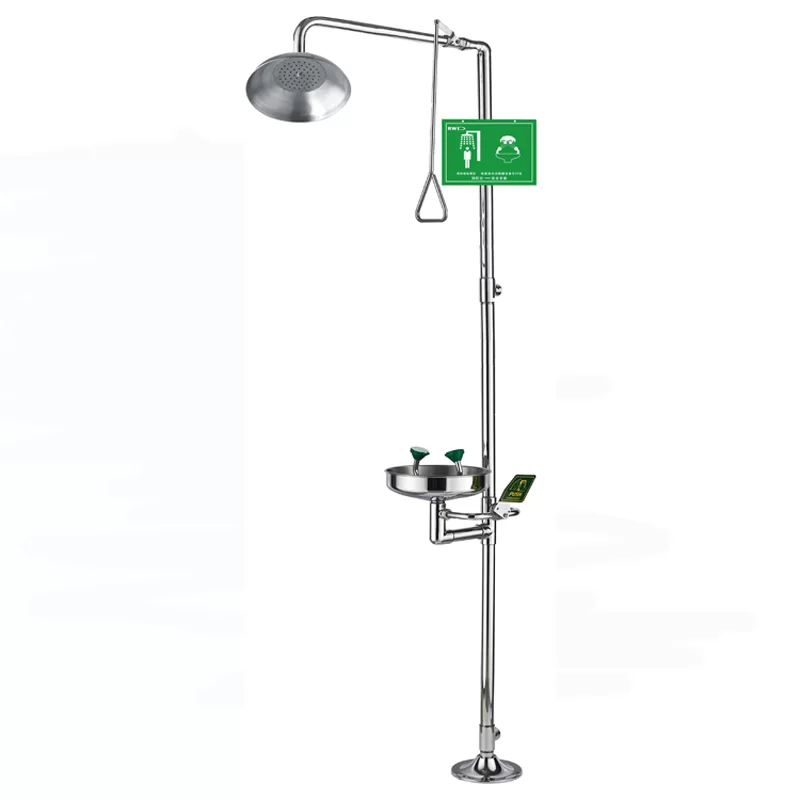
Depending on the risk level and the available space, different configurations of eye wash and safety shower units are used. Combined stations are the most common, providing both a full-body drench shower and a dual-eye wash fountain in one unit. However, in areas where only ocular risks exist, dedicated eye wash stations are installed. For remote locations where plumbing is unavailable, portable self-contained units serve as a reliable alternative. Selecting the right type involves assessing the "travel time" from the hazard to the station, ensuring that workers can reach the equipment in under 10 seconds.
Pro Tip: Always ensure that the path to your emergency stations is completely unobstructed. A blocked path can turn a manageable accident into a catastrophic failure of safety protocols.
To ensure maximum efficacy, an eye wash and safety shower must meet specific flow rate and temperature requirements. ANSI/ISEA Z358.1 is the global gold standard, specifying that showers must provide at least 20 gallons per minute (GPM) and eye washes must provide 0.4 GPM for at least 15 minutes. The following table compares the typical specifications of industrial-grade units versus basic models to highlight the importance of professional equipment.
The effectiveness of an eye wash and safety shower is largely dependent on its location. Safety experts recommend the "10-second rule," which suggests that a worker should be able to reach the station within 10 seconds of the incident. This typically equates to a distance of about 55 feet, provided the path is clear. Additionally, the station should be located in a highly visible area, marked with standardized safety signage. Placing the unit too far from the hazard area can result in the chemical penetrating deeper into the skin or ocular tissues, significantly increasing the severity of the injury.

Installing an eye wash and safety shower is only the first step; consistent maintenance is what saves lives. Stagnant water in the pipes can lead to the growth of Legionella or other harmful bacteria, which could further irritate an already damaged eye. Weekly activation is recommended to flush the lines and ensure the valves are operating smoothly. Monthly comprehensive inspections should check for water pressure, temperature (tepid water is ideal to prevent thermal shock), and the condition of the spray heads. Proper documentation of these tests is often required for OSHA or ISO audits.
The environment where the eye wash and safety shower is installed dictates the materials used in its construction. In highly corrosive chemical plants, standard steel will rust and fail rapidly. Stainless steel (304 or 316) is the preferred choice for its superior resistance to oxidation and acids. Alternatively, high-density plastics or epoxy-coated metals can provide the necessary protection. Investing in durable materials ensures that the equipment remains operational during an actual emergency, avoiding the tragedy of a safety shower failing precisely when it is needed most.
Ensuring your facility is equipped with a high-quality eye wash and safety shower is a fundamental aspect of industrial risk management. From selecting the right ANSI-compliant model to implementing a rigorous weekly testing schedule, every detail contributes to the safety of your employees. By prioritizing the quality of these emergency stations and their strategic placement, you not only meet legal requirements but also foster a culture of safety that protects your most valuable asset—your people. Do not wait for an accident to occur; upgrade your safety infrastructure today.
For most chemical exposures, it is recommended to flush the eyes and skin for a minimum of 15 minutes. However, for highly corrosive substances like strong acids or alkalis, flushing may need to continue for 30 to 60 minutes or until medical professionals arrive. The key is to keep the eyelids open and rotate the eyes to ensure the water reaches all areas of the ocular surface. Always consult the Safety Data Sheet (SDS) of the specific chemical for tailored first-aid instructions.
Tepid water is water maintained between 60°F and 100°F (16°C to 38°C). This temperature range is critical because water that is too cold can induce hypothermia or cause a shock response, leading the victim to stop flushing prematurely. Conversely, water that is too hot can accelerate chemical reactions or cause thermal burns. Many facilities install thermostatic mixing valves to ensure the eye wash and safety shower provides a safe, comfortable temperature for the full duration of the decontamination process.
Portable units are excellent supplements or solutions for areas where plumbing is impossible. However, they have limitations, such as a finite water supply and the need for regular fluid replacement. For high-risk areas with frequent chemical use, a plumbed-in system is always preferred because it provides an endless supply of water and higher flow rates. If using a portable unit, ensure it is rated for the specific volume of water required by safety standards and is checked daily for leaks and cleanliness.
Compliance is determined by several factors: the flow rate (20 GPM for showers, 0.4 GPM for eye washes), the activation method (must be a single-step action that stays open without being held), and the water temperature (tepid). You can verify compliance by performing a timed flow test using a calibrated bucket and stopwatch. Most professional manufacturers of eye wash and safety shower systems provide certification documents and test reports to prove their equipment meets these rigorous safety standards.