Business Hours:
Monday – Friday: 8:00 AM – 12:00 PM, 1:30 PM – 5:30 PM
Hit enter to search or ESC to close
Monday – Friday: 8:00 AM – 12:00 PM, 1:30 PM – 5:30 PM
June 20 2026
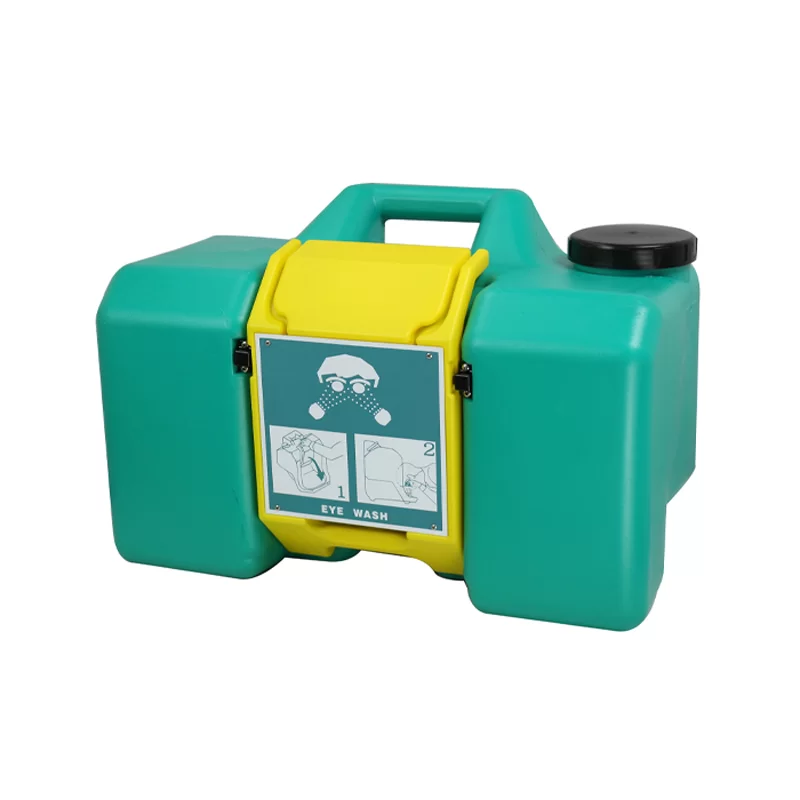
In industrial environments where hazardous chemicals, dust, or corrosive materials are present, immediate decontamination is not just a luxury—it is a critical safety requirement. The guardian eyewash shower serves as the first line of defense, providing a rapid, high-volume flow of water to flush contaminants from the eyes and skin. Ensuring that these stations are correctly installed and maintained can mean the difference between a minor incident and a permanent injury. This comprehensive guide explores the technical specifications, installation standards, and operational benefits of integrating these systems into your facility's safety protocol.

The primary objective of a guardian eyewash shower is to provide an instantaneous flow of tepid water to dilute and remove harmful substances. These units are typically designed as combination stations, merging a drench shower for the body and an eyewash station for the face. The activation mechanism is engineered for one-step operation, ensuring that a distressed worker can initiate the flow within seconds without complex maneuvers. By adhering to ANSI Z358.1 standards, these stations ensure the water pressure is sufficient for cleaning but gentle enough to avoid further damaging sensitive ocular tissues.
Safety Highlight: The "hands-free" design of the eyewash bowls allows the user to keep their eyes open under the stream while the water continues to flow automatically, ensuring a full 15-minute rinse as recommended by medical professionals.
Depending on the facility layout and the nature of the hazards, different configurations of the guardian eyewash shower may be required. Some plants prefer wall-mounted units to save floor space, while others require free-standing combination units for maximum visibility and accessibility. The choice often depends on the volume of water required and the proximity to the danger zone. Below is a comparison between the standard combination unit and the specialized eyewash-only station to help you determine the best fit for your environment.
Proper placement of your guardian eyewash shower is as critical as the unit itself. According to safety regulations, the station must be accessible within 10 seconds of the hazard area, which typically translates to a travel distance of about 55 feet. The path to the station must be completely unobstructed to ensure a panicked or blinded employee can reach it safely. Furthermore, the water temperature should be "tepid"—neither too hot to cause burns nor too cold to induce thermal shock—which often requires the installation of a thermostatic mixing valve.

Quality construction ensures that the guardian eyewash shower can withstand harsh industrial environments without corroding. Most professional-grade units are constructed from 304 or 316 stainless steel or high-density coated galvanized steel. The piping is engineered to maintain consistent flow rates even during fluctuations in building water pressure. Below are the standard technical specifications for a typical industrial combination unit.
A safety station is only useful if it works when needed. Therefore, a strict maintenance schedule for the guardian eyewash shower is mandatory. Weekly activations are recommended to flush out sediment and stagnant water, which prevents bacterial growth (such as Legionella) and ensures the valves are not seized. Monthly inspections should check for leaks, verify that the water temperature remains tepid, and confirm that the signage is clearly visible and the area around the station remains clear of obstacles.
Maintenance Checklist:
• Weekly: Activate unit to flush pipes and check flow.
• Monthly: Inspect for leaks and verify signage visibility.
• Annually: Full system certification and valve calibration.
Beyond the technical requirements, installing a high-quality guardian eyewash shower sends a powerful message to employees about the organization's commitment to their health and safety. When workers see that the company invests in premium, compliant safety gear, they are more likely to adhere to safety protocols themselves. This creates a culture of mutual care and professionalism, reducing the overall frequency of accidents and lowering the liability risks for the employer. Safety is not just a regulatory hurdle; it is a foundational element of operational excellence.
Investing in a guardian eyewash shower is an essential step for any facility dealing with chemical hazards. From its rapid activation to its durable stainless steel construction, these units provide the peace of mind that an emergency can be handled effectively and immediately. By combining proper installation, regular maintenance, and employee training, you ensure that your workplace remains a safe environment for everyone. Don't wait for an accident to happen—secure your facility today with industry-leading emergency wash stations.
According to ANSI Z358.1 standards, eyewash and shower stations should be activated weekly. This process serves two purposes: first, it ensures that the mechanical components are functioning and that the water flow is unobstructed. Second, it flushes the pipes to remove stagnant water, which can accumulate sediment or grow harmful bacteria over time. A documented log of these weekly tests is highly recommended for compliance audits and insurance purposes.
The ideal water temperature is referred to as "tepid," which is generally defined as being between 60°F (16°C) and 100°F (38°C). Water that is too cold can cause the victim to jump back from the shower, interrupting the necessary 15-minute rinse period, or even induce hypothermia. Water that is too hot can exacerbate chemical burns or cause thermal injury. To achieve this balance, many facilities install thermostatic mixing valves to blend hot and cold water supplies.
The station should be located within 10 seconds of the hazard, typically within 55 feet. It is crucial that the path to the guardian eyewash shower is clear of any obstacles, as a person with chemicals in their eyes will have severely limited vision. Additionally, the station should be clearly marked with highly visible signage that can be seen from a distance, ensuring that any employee or emergency responder can locate it instantly.
For environments with high concentrations of acids or corrosive vapors, stainless steel (specifically grade 316) is the gold standard due to its superior resistance to oxidation and chemical attack. While galvanized steel is sufficient for many industrial uses, 316 stainless steel prevents the unit from rusting or degrading over time, ensuring that the structural integrity and flow mechanisms remain intact for years, reducing the long-term cost of replacement.