Business Hours:
Monday – Friday: 8:00 AM – 12:00 PM, 1:30 PM – 5:30 PM
Hit enter to search or ESC to close
Monday – Friday: 8:00 AM – 12:00 PM, 1:30 PM – 5:30 PM
June 09 2026
In any environment where hazardous chemicals, caustic substances, or irritating dusts are handled, immediate decontamination is not just a preference—it is a life-saving necessity. A professional safety shower eyewash station serves as the first line of defense against severe chemical burns and permanent vision loss. By providing a high-volume flow of water to flush contaminants from the skin and eyes, these stations minimize the duration of exposure and significantly improve medical outcomes. In this comprehensive guide, we will explore the critical features, installation standards, and maintenance protocols required to keep your workforce safe and compliant with global safety regulations.

The primary goal of a safety shower eyewash station is to provide an immediate source of tempered water for emergency flushing. When chemicals hit the eye or skin, every second counts. Delayed rinsing can lead to deep tissue necrosis or irreversible blindness. Beyond the human cost, failing to provide accessible emergency wash stations can lead to severe legal liabilities and heavy fines from regulatory bodies like OSHA or ANSI. Investing in high-quality stations ensures that your facility meets the highest safety benchmarks while fostering a culture of care for employee well-being.
Critical Fact: According to safety standards, the victim must be able to reach the emergency station within 10 seconds of the accident, emphasizing the need for strategic placement throughout the plant.
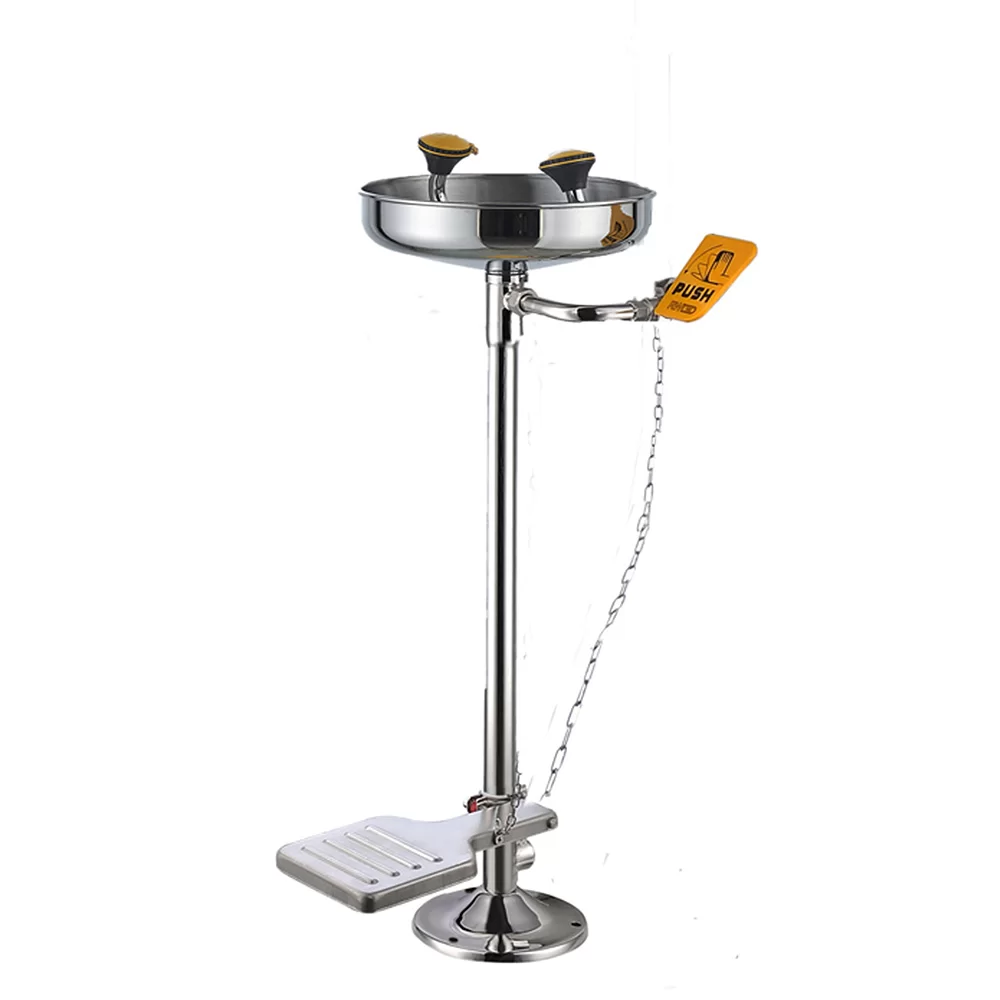
A professional-grade station is more than just a pipe and a nozzle. To ensure reliability during a crisis, a safety shower eyewash station consists of several engineered components. The shower head is designed to deliver a broad, heavy flow of water to drench the entire body, while the eyewash nozzles provide a gentle yet effective stream to clear the ocular area without causing further trauma. Activation is typically handled via a "stay-open" valve, meaning the user doesn't have to hold the handle down while rinsing, allowing them to use both hands to hold their eyelids open or remove contaminated clothing.
Core Feature Checklist:
• Corrosion-Resistant Materials: Stainless steel or galvanized coatings to prevent rust.
• Hands-Free Operation: Push-plate or pull-rod activation that remains open.
• Dust Covers: Protective caps to keep nozzles clean until needed.
• High Visibility: Bright yellow or green coloring for instant identification.
Depending on your facility's layout and the nature of the chemicals used, you may choose between different configurations of a safety shower eyewash station. Combination units are the most popular as they provide both body and eye rinsing in one footprint. However, some areas may only require a standalone eyewash for low-risk splashes, while others may need a full-sized deluge shower for high-volume spills. Understanding the difference in flow rates and installation requirements is key to making the right procurement decision.
Proper placement is as important as the quality of the equipment. A safety shower eyewash station must be located on the same level as the hazard and free from obstructions. If a worker has to navigate around machinery or open several doors to reach the station, the delay could prove fatal. Additionally, ensure that the water temperature is "tepid" (usually between 60°F and 100°F). Water that is too cold can cause thermal shock or hypothermia during a long rinse, while water that is too hot can accelerate chemical reactions on the skin.

Installing the hardware is only the first step; rigorous maintenance is required to ensure the safety shower eyewash station works when it is needed most. Stagnant water in pipes can lead to biofilm buildup and Legionella contamination, which can cause infections during an emergency rinse. Weekly activation tests are recommended to flush the lines and verify that the flow rate meets ANSI/ISEA Z358.1 standards. Below is a typical specification table for a standard industrial combination unit.
Ensuring your facility is equipped with a reliable safety shower eyewash station is a fundamental aspect of industrial risk management. From selecting the right materials and configurations to adhering to strict installation and maintenance schedules, every detail plays a role in preventing catastrophic injuries. By investing in high-quality equipment and training your staff on its use, you create a safer, more compliant, and more resilient working environment. Don't wait for an accident to occur—upgrade your safety infrastructure today.
To ensure operational readiness and maintain water quality, a safety shower eyewash station should be activated weekly. This "flush" clears out sediment, prevents the growth of bacteria like Legionella, and ensures that the valves are functioning correctly. A more comprehensive annual inspection should be conducted to verify that the flow rates still meet the ANSI Z358.1 standard and that the water temperature remains within the tepid range. All tests should be documented in a maintenance log for compliance audits.
Industry standards dictate that a safety shower eyewash station must be accessible within 10 seconds of the incident. In practical terms, this usually means the station should be located within 55 feet (approx. 16.8 meters) of the hazard. However, the path must be completely unobstructed. If the hazard involves highly corrosive acids or bases that cause immediate blindness or intense pain, the station should be placed even closer to ensure the victim can reach it without hesitation or disorientation.
No, a standard sink is not a substitute for a professional safety shower eyewash station. Dedicated stations are engineered to provide a specific flow rate and a "hands-free" stream that allows the user to flush both eyes simultaneously without touching the basin, which could introduce more contaminants. Furthermore, sinks do not provide the necessary volume of water for body decontamination. To remain compliant with safety regulations and provide adequate protection, a purpose-built safety shower eyewash station is mandatory.
For environments with extreme chemical exposure, 316 Stainless Steel is the gold standard due to its superior resistance to chlorides and acids. Alternatively, epoxy-coated galvanized steel is an excellent cost-effective option that provides a thick protective barrier against corrosion. The choice of material ensures that the station does not rust or degrade over time, ensuring that the valve operates smoothly and the water remains uncontaminated during an emergency.