Business Hours:
Monday – Friday: 8:00 AM – 12:00 PM, 1:30 PM – 5:30 PM
Hit enter to search or ESC to close
Monday – Friday: 8:00 AM – 12:00 PM, 1:30 PM – 5:30 PM
June 25 2026
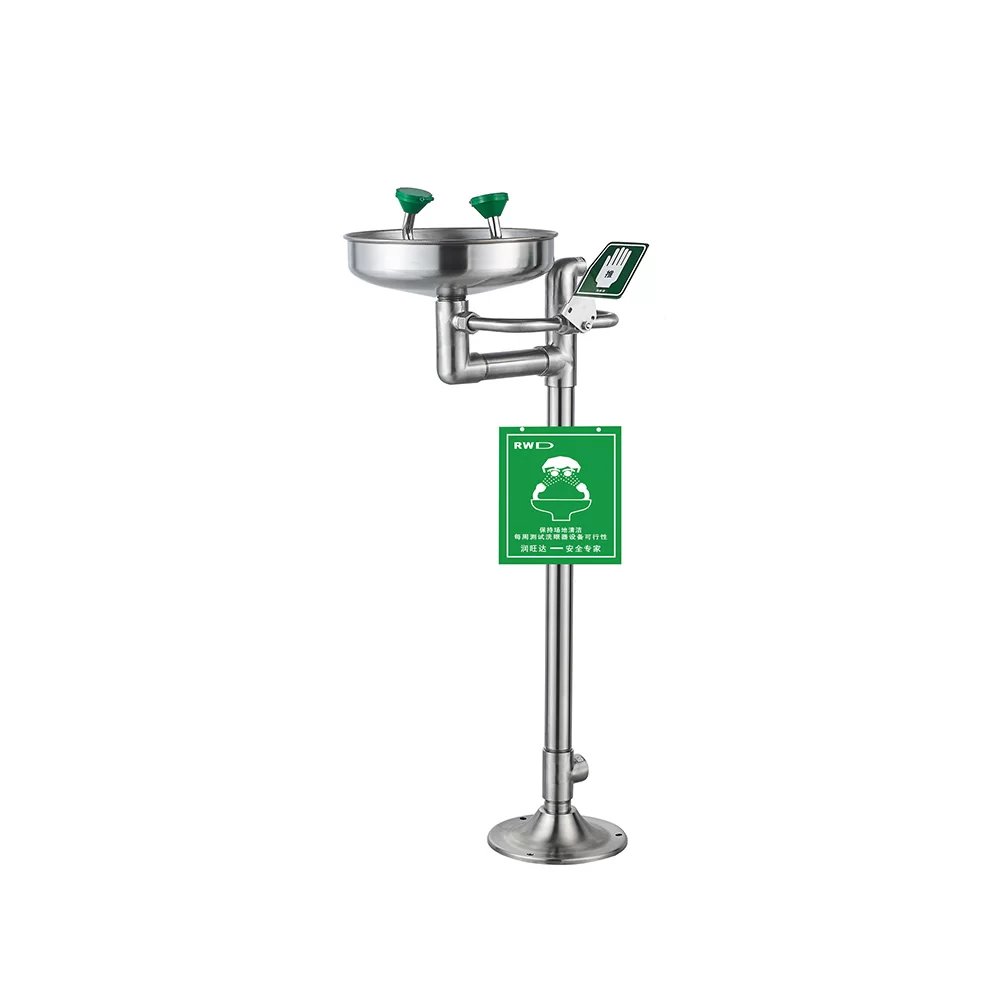
In modern scientific research and industrial production, flexibility and hygiene are the cornerstones of a productive workspace. A portable laboratory sink offers an unparalleled solution for facilities that require adaptable workstations without the heavy cost of permanent plumbing installations. Whether you are managing a chemical analysis lab or a specialized manufacturing plant, having a mobile sanitation station ensures that safety protocols are maintained regardless of the room layout. This guide explores how these versatile units enhance operational efficiency and the critical factors to consider when upgrading your laboratory infrastructure.

The primary advantage of a portable laboratory sink is its ability to be deployed exactly where the work happens. In traditional setups, technicians often have to carry hazardous materials across a room to reach a fixed sink, increasing the risk of spills. By utilizing portable units, labs can create "point-of-use" cleaning stations. These units are typically constructed from chemical-resistant materials, ensuring that corrosive substances do not degrade the equipment over time. Moreover, for temporary research setups or pop-up testing sites, these sinks provide a professional-grade sanitation solution without requiring structural renovations.
Pro Tip: When selecting a mobile sink, ensure the castor wheels are lockable and made of non-marking rubber to prevent floor damage in sterile environments.
Durability is non-negotiable in the environmental protection and chemical processing industries. A high-quality portable laboratory sink should feature materials that can withstand extreme temperature fluctuations and aggressive cleaning agents. High-density polypropylene (PP) and 304 stainless steel are often the gold standards for these units. The integration of low-friction rubber sealing rings and high-grade bearings in the adjustable components ensures that the unit remains smooth and operational even after years of heavy industrial use.
Deciding between a fixed installation and a portable laboratory sink depends on your facility's growth trajectory. Fixed sinks are ideal for high-volume, unchanging workflows. However, they are expensive to move and require significant downtime for installation. Portable units, conversely, offer immediate deployment and the ability to reconfigure the lab layout in minutes. This agility is crucial for manufacturing plants that frequently update their machinery or chemical processing lines to accommodate new product cycles.

In the field of water pollution prevention and control equipment manufacturing, the portable laboratory sink serves as a critical tool for sample preparation and equipment cleaning. Because these environments often involve hazardous waste gas and corrosive liquids, the sink must be integrated into a broader air and water cleaning solution. Using high-density PP and PC materials ensures that the unit does not react with the samples, maintaining the integrity of the scientific data while protecting the operator from exposure.
To ensure maximum efficiency, professional-grade portable sinks incorporate advanced engineering. For instance, the use of aluminum alloy for supporting ducts and high-grade PP for joints allows for a lightweight yet rigid structure. Many units feature manual external airflow valves or adjustable height knobs to cater to different user ergonomics. Below are the typical performance metrics found in high-end industrial models used in food processing and chemical manufacturing.
Investing in a portable laboratory sink is more than just a purchase of equipment; it is a strategic move toward a more flexible and safer working environment. By combining high-grade materials like 304 stainless steel and durable PP with an ergonomic, mobile design, these sinks eliminate the logistical hurdles of traditional plumbing. Whether your goal is to improve compliance with safety standards or to increase the efficiency of your chemical processing line, RWD Lab Safety provides the robust solutions needed for today's demanding industrial landscapes.
Yes, provided the unit is constructed from high-density polypropylene (PP) or specialized chemical-resistant polymers. Most professional portable laboratory sinks are designed specifically for the chemical industry. However, it is always recommended to check the specific chemical compatibility chart of the basin material against the substances you are using to ensure long-term durability and prevent material degradation.
Depending on the model, portable sinks either use a built-in waste tank with a manual or electric pump for disposal, or they utilize flexible hosing that can be connected to the nearest floor drain. High-end industrial models often feature specialized waste collection hoods and aluminum alloy ducts to ensure that any fumes generated during the drainage process are safely managed and filtered, maintaining a clean air environment in the laboratory.
Not at all. In fact, portable sinks are often easier to maintain because they can be moved to a dedicated cleaning area. The use of 360° rotatable joints and easy-to-disassemble components allows users to reach every corner of the unit. Because the materials used—such as stainless steel and PP—are non-porous, they can be sanitized quickly with standard lab disinfectants without leaving residue or risking corrosion.
Absolutely. Professional models utilize a one-piece molded plastic or aluminum square tube base with firm screw fixing to ensure stability. The center of gravity is kept low to prevent tipping, and the embedded nuts in the rotating system ensure there are no gaps or looseness during movement. For the most demanding environments, these units are designed to stay stable without shaking, even when the basin is full of liquid.