Business Hours:
Monday – Friday: 8:00 AM – 12:00 PM, 1:30 PM – 5:30 PM
Hit enter to search or ESC to close
Monday – Friday: 8:00 AM – 12:00 PM, 1:30 PM – 5:30 PM


Looking for high-quality chemical resistant lab sinks? Our China factory provides premium PP sinks that are acid and alkali resistant, easy to clean, and stable. As leading suppliers, we ensure safe and durable laboratory furniture for waste liquid collection and equipment cleaning.
Description
Our Chemical Resistant Lab Sink is engineered for the most demanding laboratory environments, providing an uncompromising shield against aggressive chemical reactions. Crafted from high-grade Polypropylene (PP), this specialized sink is specifically designed for facilities focused on water pollution prevention and chemical research, ensuring that your workspace remains safe, sterile, and highly functional.
By integrating advanced material science with an ergonomic design, we offer a drainage solution that outperforms traditional ceramic or stainless steel alternatives. Whether you are dealing with strong acids, concentrated alkalis, or volatile organic compounds, our sinks provide the structural integrity and corrosion resistance necessary to maintain long-term operational efficiency in industrial and academic labs.
| Core Material | High-Density Polypropylene (PP) | Resistance Type | Acid, Alkali, and Solvent Resistant |
|---|---|---|---|
| Surface Finish | Smooth Antibacterial Coating | Installation Type | Worktop Drop-in / Integrated |
| Weight Profile | Ultra-Lightweight Design | Impact Resistance | High-Impact Polymeric Grade |
| Sealant Requirement | Neutral Acid/Alkali Resistant Silicone | Accuracy Tolerance | ≤ 1mm Leveling Precision |
| Drainage System | Chemical-Resistant Drain Assembly | Application | Water Quality Control / Environmental Labs |
Engineered with premium PP to withstand the harshest acids and alkalis without degrading.
Highly resistant to impact and abrasion, ensuring a longer lifespan than ceramic options.
Smooth, non-porous finish inhibits bacterial growth and ensures a sterile environment.
Lightweight material allows for rapid positioning and effortless mounting in any lab layout.
Simple wipe-down cleaning process reduces downtime and operational costs.
Designed for perfect integration with standard laboratory worktops and plumbing.
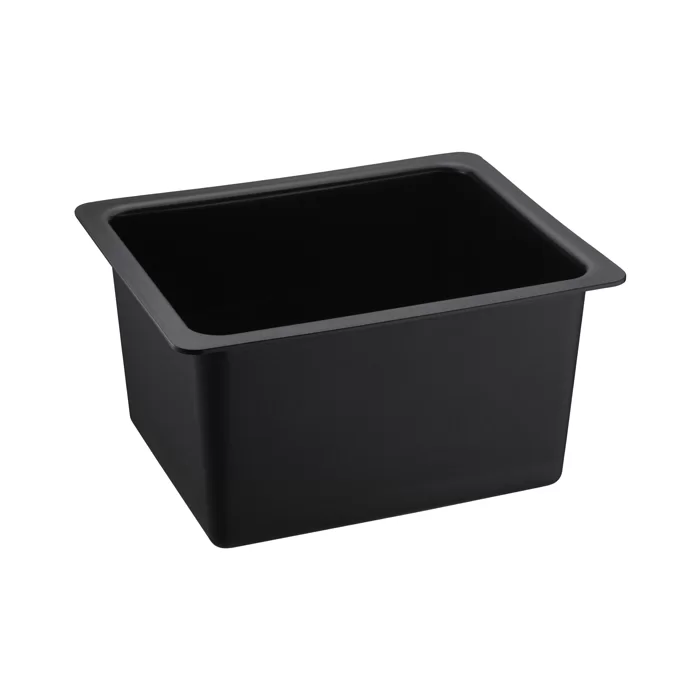
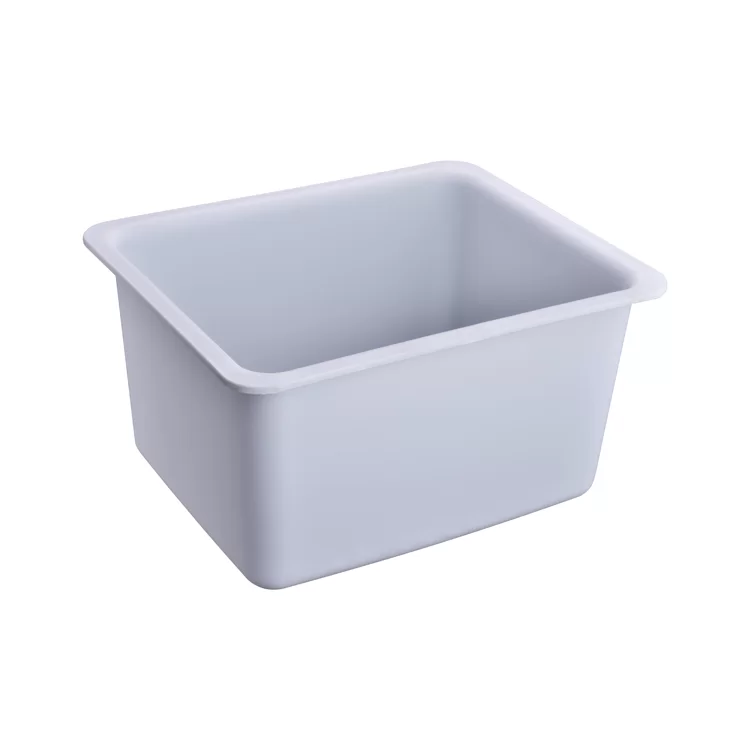
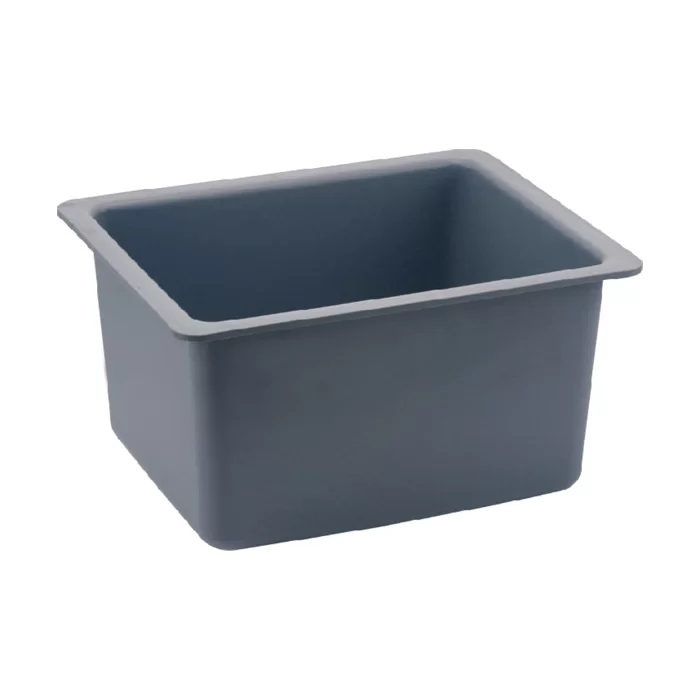
Strict quality control on PP resin to ensure maximum chemical stability.
Standardized leveling protocols to prevent overflow and leakage risks.
Multi-stage water-fill testing to verify seal integrity before hand-over.
Advanced smooth-surface technology for rapid sterilization and hygiene.
Seamless compatibility with lab taps and water drainage systems.
Adherence to global laboratory safety standards for hazardous waste.
| Feature Metric | PP Chemical Sink | Stainless Steel | Ceramic Sinks |
|---|---|---|---|
| Chemical Resistance | Excellent (Acid/Alkali) | Moderate (Pits in Acid) | High (But Brittle) |
| Installation Speed | Fast / Lightweight | Moderate | Slow / Heavy |
| Lifespan (Corrosive) | Very High | Medium | High |
| Maintenance Cost | Ultra-Low | Medium (Polishing) | Medium (Cracks) |
| Impact Stability | High (Absorbs shock) | High (Dents) | Low (Fractures) |
Yes, our sinks are specifically manufactured from high-grade PP, which is renowned for its exceptional resistance to a wide range of strong acids and alkalis, making it the ideal choice for environmental protection and water quality labs.
To prevent leaks, we recommend using neutral acid- and alkali-resistant silicone adhesive and ensuring the sink brackets are leveled to an accuracy of ≤1mm. Always conduct a 1/3 water-fill test after installation.
Our sinks are designed with standard interfaces to be compatible with most lab gas taps, lab water taps, and specialized drainage fittings commonly used in chemical laboratories.
While stainless steel is durable, it can succumb to pitting corrosion when exposed to certain chlorides and strong acids. PP is chemically inert to these substances, providing superior long-term protection.
Yes, the smooth, non-porous surface is designed to inhibit bacterial growth and can be easily sanitized with a simple wipe, maintaining a hygienic environment for sensitive research.
You will need a tape measure, spirit level, electric drill, screwdriver, wrench, and a glass glue gun for the silicone sealant to ensure a precise and waterproof fit.