Business Hours:
Monday – Friday: 8:00 AM – 12:00 PM, 1:30 PM – 5:30 PM
Hit enter to search or ESC to close
Monday – Friday: 8:00 AM – 12:00 PM, 1:30 PM – 5:30 PM
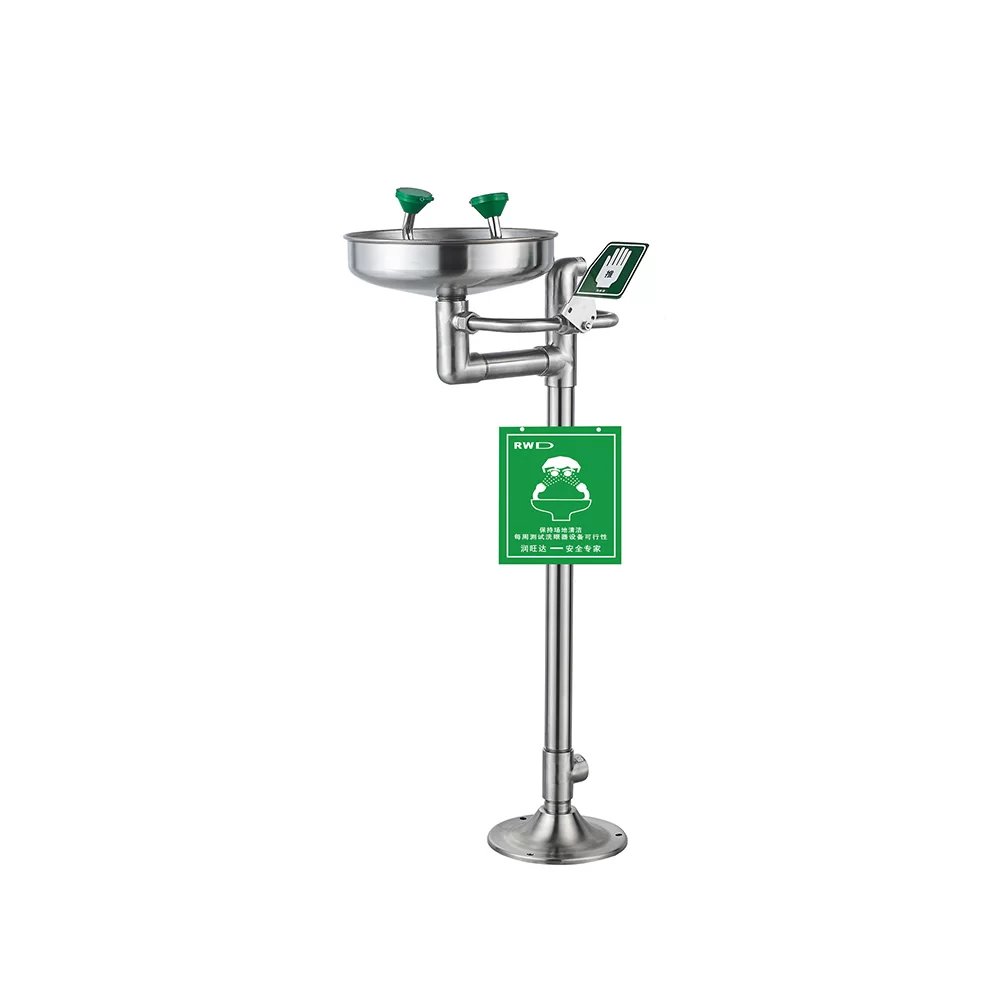
In laboratories, industrial facilities, and chemical processing environments, emergency safety equipment plays a vital role in protecting workers from accidental exposure to hazardous substances. Proper installation of an Emergency Shower and Eye Wash Station ensures that the equipment can operate effectively during critical situations and provide immediate flushing support when needed.
In laboratories, industrial facilities, and chemical processing environments, emergency safety equipment plays a vital role in protecting workers from accidental exposure to hazardous substances. Proper installation of an Emergency Shower and Eye Wash Station ensures that the equipment can operate effectively during critical situations and provide immediate flushing support when needed.
In this video, Hebei Runwangda Laboratory Equipment Co., Ltd. provides a detailed installation guide for emergency showers and eyewash stations, explaining important preparation steps, installation procedures, and connection methods. By following correct installation practices, users can ensure reliable equipment performance, smooth water flow, and long-term safety protection.
The Importance of Proper Emergency Shower and Eye Wash Installation
Emergency showers and eye wash stations are essential safety devices used in laboratories, chemical plants, pharmaceutical facilities, research centers, and industrial workplaces where employees may come into contact with hazardous materials.
When accidents occur, every second matters. Proper equipment placement and correct installation directly influence emergency response efficiency. According to safety requirements, emergency equipment should be installed in a location that can be reached within 10 seconds of walking time or within 15 meters from the potential hazard area.
This ensures that employees can quickly access the emergency shower or eyewash station without obstacles or delays after exposure to chemicals, dust, or harmful substances.
Before installation, users should carefully check the product model, installation instructions, and packing list to confirm that all components are complete and match the required specifications.
Step 1: Check Product Components Before Installation
Before beginning the installation process, it is important to inspect all parts of the emergency shower and eye wash equipment.
Users should check:
Product type and model
Installation manual and technical instructions
Packing list and included accessories
Pipe fittings and connection components
Shower head, eyewash basin, valves, and sealing parts
A complete inspection helps prevent installation delays caused by missing components and ensures that the equipment can be assembled correctly.
Runwangda recommends carefully reviewing the installation instructions before assembly to understand the connection structure and installation sequence.
Step 2: Installation of the Bracket and Pipe Connection
The first installation step involves connecting the bracket and the main pipe structure.
The T-piece of the outlet should be connected with the bracket securely. After positioning the T-piece correctly, adjust the bracket location according to the installation requirements.
Once the correct position has been confirmed, fix the bracket using an M10 screw to ensure stability and prevent movement during operation.
A properly installed bracket provides strong support for the emergency shower structure and helps maintain overall equipment stability during daily use.
Step 3: Installing the Emergency Shower Pipe
The next step is installing the shower pipe and sprayer head.
First, screw the sprayer head onto the sprayer pipe. A G3/4” net gasket should be placed inside the connection to ensure proper sealing and prevent water leakage.
After connecting the sprayer head, apply Teflon tape to the threaded end of the sprayer pipe. The pipe should then be tightened at the upper section of the vertical pipe.
After installation, adjust the position of the sprayer head and securely lock the sprayer pipe using the G3/4” backnut.
Correct installation of the shower pipe ensures stable water discharge and helps maintain effective emergency flushing performance.
Step 4: Connecting the Upper and Lower Sections
The emergency shower structure consists of upper and lower sections that need to be connected properly.
During installation, adjust the direction of the upper section according to the required position. Then connect the upper and lower parts using a union.
A union gasket should be installed inside the connection area before tightening. This helps improve sealing performance and reduces the possibility of leakage during operation.
After connecting both sections, tighten the union securely while ensuring that the equipment remains aligned correctly.
Step 5: Installing the Eye Wash Basin
The eye wash basin installation is another important part of the process.
Before connecting the basin, unwind the screw thread of the outlet using a fresh plastic band to ensure a clean and secure connection.
Then connect the lower section using the G1¼ connection and tighten it properly.
The eye wash basin should be positioned correctly to ensure comfortable use during emergency situations. Proper alignment helps users quickly rinse their eyes and improves overall equipment usability.
Step 6: Connecting the Sprayer Head and Pipe System
For the sprayer head connection, place the G1/2 cushion inside the G1/2 screw connection.
Then connect the pipe securely and check whether all components are properly tightened.
Sealing components such as gaskets and cushions play an important role in preventing leakage and maintaining stable water pressure.
During installation, all threaded connections should be checked carefully to ensure that they are secure while avoiding excessive tightening that may damage components.
Step 7: Testing Water Flow and Equipment Performance
After completing all installation steps, connect the inlet and outlet pipes and perform a complete operation test.
During testing, check:
Whether the water flow is smooth
Whether the shower head operates correctly
Whether the eyewash nozzles provide balanced water output
Whether there are any leaks at connection points
Whether the nozzles have proper water flow without blockage or abnormal foaming
If the water flow is uneven or the nozzles show abnormal conditions, inspect the connections, filters, and internal components to identify possible causes.
Regular testing after installation helps ensure that the emergency shower and eyewash station remain ready for immediate use.
Runwangda: Professional Laboratory Safety Equipment Manufacturer
Established in 1982, Hebei Runwangda Laboratory Equipment Co., Ltd. is a professional manufacturer specializing in the research, development, and production of laboratory equipment and safety solutions.
With a headquarters area exceeding 26,000 square meters, more than 150 employees, and a warehouse area of over 2,000 square meters, Runwangda has developed strong manufacturing capabilities and professional service systems.
The company focuses on providing high-quality laboratory products, including:
Laboratory Faucets
Gas Valves
Fume Extractors
PP Pegboard
PP Sinks
Emergency Showers
Eye Wash Stations
These products are widely used in education, scientific research, pharmaceuticals, chemical engineering, petrochemicals, electronics, metallurgy, machinery, and many other industries.
With decades of experience, Runwangda has built a strong reputation for product reliability, professional manufacturing, and customer-focused service.
Reliable Emergency Safety Solutions for Global Customers
Emergency showers and eyewash stations are critical safety equipment that require dependable performance and long-term reliability.
Runwangda continuously improves product design, manufacturing processes, and quality control systems to provide customers with safe and efficient laboratory solutions.
Through professional engineering support and strict production standards, the company helps customers create safer working environments and meet different application requirements.
Whether used in laboratories, industrial facilities, or research institutions, Runwangda emergency safety equipment provides reliable protection when it matters most.
Watch the Installation Guide and Improve Safety Equipment Performance
This video provides a complete overview of the Emergency Shower and Eye Wash Installation Process, helping users understand each installation step, from component inspection and pipe connection to final testing.
Correct installation ensures that the equipment can deliver stable water flow, reliable operation, and effective emergency response.
As a trusted laboratory equipment manufacturer, Hebei Runwangda Laboratory Equipment Co., Ltd. continues to provide professional safety solutions for customers worldwide.
With advanced manufacturing capabilities, extensive industry experience, and a commitment to quality, Runwangda is dedicated to creating safer laboratories and workplaces through reliable emergency shower and eyewash systems.