Business Hours:
Monday – Friday: 8:00 AM – 12:00 PM, 1:30 PM – 5:30 PM
Hit enter to search or ESC to close
Monday – Friday: 8:00 AM – 12:00 PM, 1:30 PM – 5:30 PM
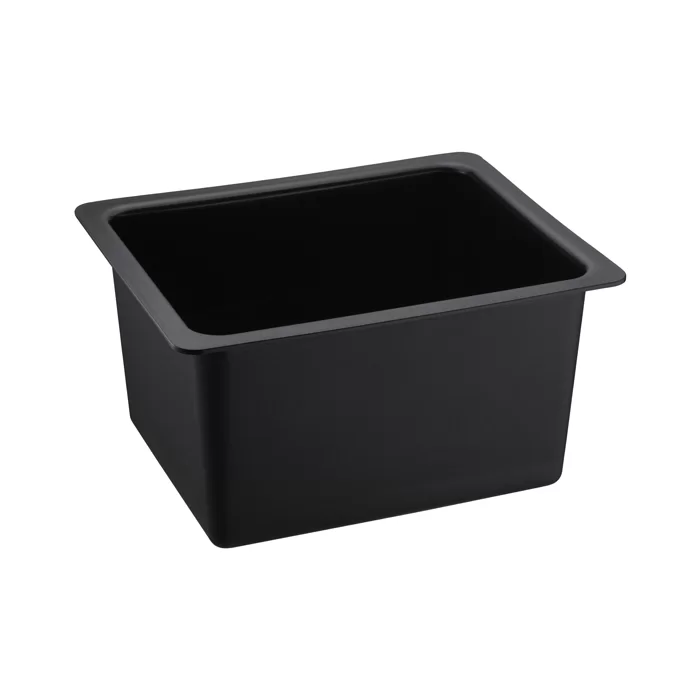
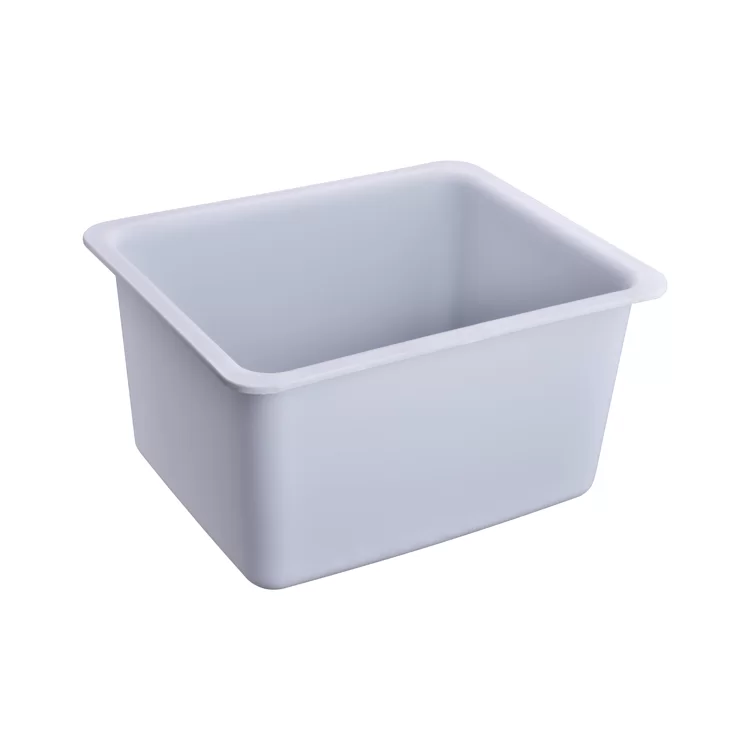
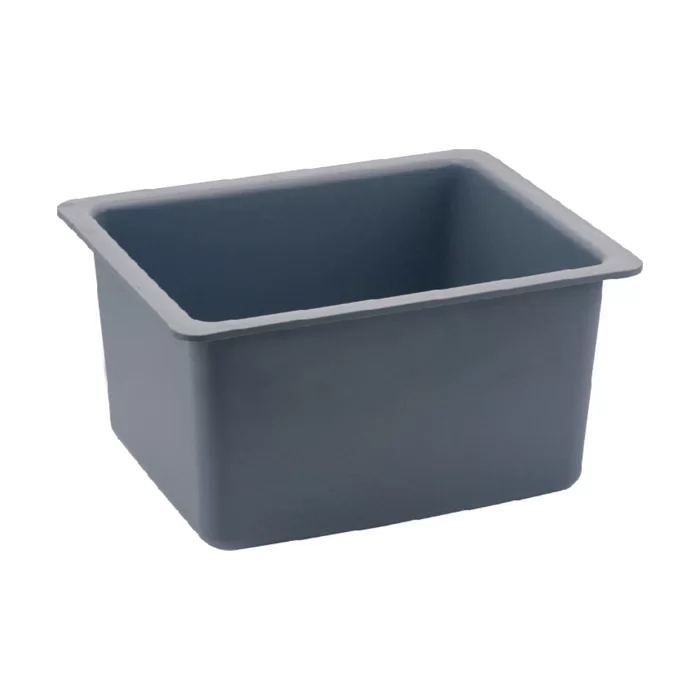
The chemical resistant lab sink meet the core requirements of being corrosion-resistant, acid and alkali resistant, easy to clean, safe and stable. It is mainly used for cleaning laboratory equipment, storing acid and alkali reagents, collecting waste liquids, and matching with the laboratory workbench. It is an important component of the basic furniture and consumables in the laboratory.
Description
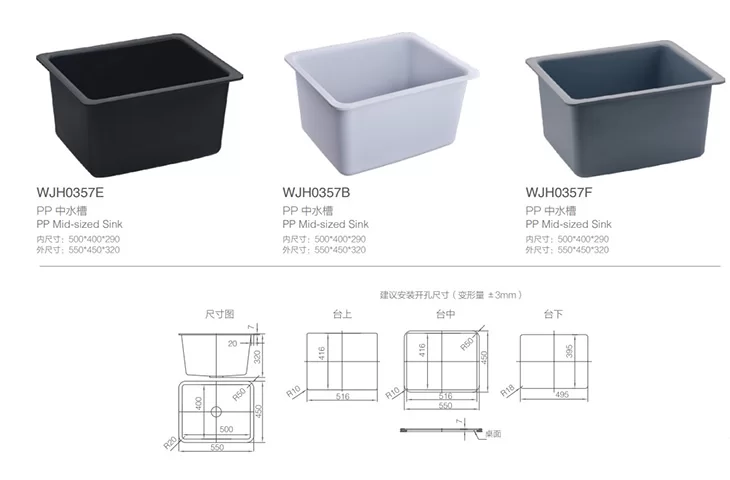
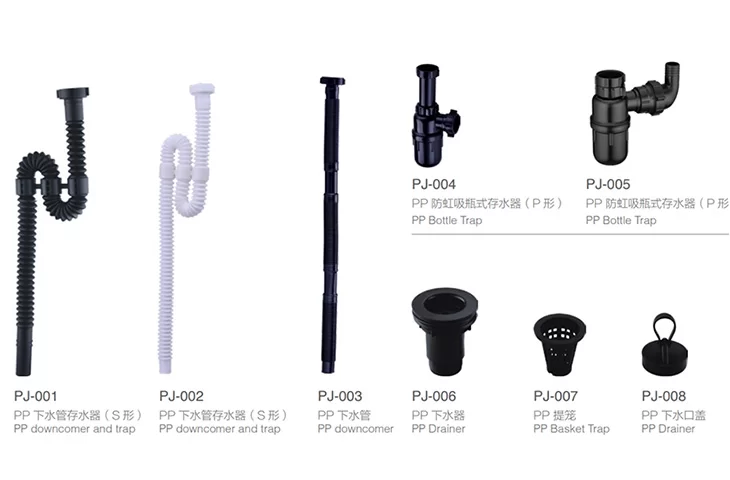
Product Advantages
1. Corrosion Resistance: The polypropylene material used in the chemical resistant lab sink is resistant to strong corrosion, acids, and alkalis, making it suitable for laboratory use.
2. Lightweight and Durable: Compared to stainless steel and ceramic, PP is lightweight, yet impact- and abrasion-resistant, making it easy to move and install.
3. Maintenance and Cleanliness: The smooth surface is easy to clean with a simple wipe and has antibacterial properties, inhibiting bacterial growth.
Product Installation
Before installation, you will need to prepare tools and materials, including a tape measure, level, electric drill, screwdriver, wrench, and a glass glue gun; a PP sink (with drain assembly), neutral acid- and alkali-resistant silicone adhesive, waterproof gaskets, mounting brackets, and expansion screws.
1. Preparation:
Inspect the chemical resistant lab sink for defects and verify compatibility between fittings and sink interfaces. Confirm dimensions match the worktop and cut-out size at the installation location.Clean the countertop before installation to prevent subsequent leaks caused by stains, dust, and cracks.
2. Installation Steps:
A: Secure the sink brackets first, ensuring they lie perfectly level. Determine the bracket positions beneath the worktop, then fix them in place. Calibrate the bracket surface to an accuracy of ≤1mm; any tilt in the sink installation may cause overflow or leakage. Apply waterproof gaskets to the bracket surfaces to reduce friction with the sink.
B: Position the sink within the worktop cut-out, adjusting its edges to lie parallel with the worktop surface. Temporarily secure it using pliers wrapped in soft cloth.
C: Apply acid/alkali-resistant neutral silicone sealant along the gap between sink and worktop; smooth the bead, remove excess sealant, and allow to cure for one to two days.
D: Finally, install the accessories, connect the drain, and connect the plumbing.
3. Inspection: After installation, fill the sink 1/3 full with water and let it sit to observe for leaks. Open the waste cover to check drainage flow. Use a spirit level to verify the sink is perfectly level.