Business Hours:
Monday – Friday: 8:00 AM – 12:00 PM, 1:30 PM – 5:30 PM
Hit enter to search or ESC to close
Monday – Friday: 8:00 AM – 12:00 PM, 1:30 PM – 5:30 PM
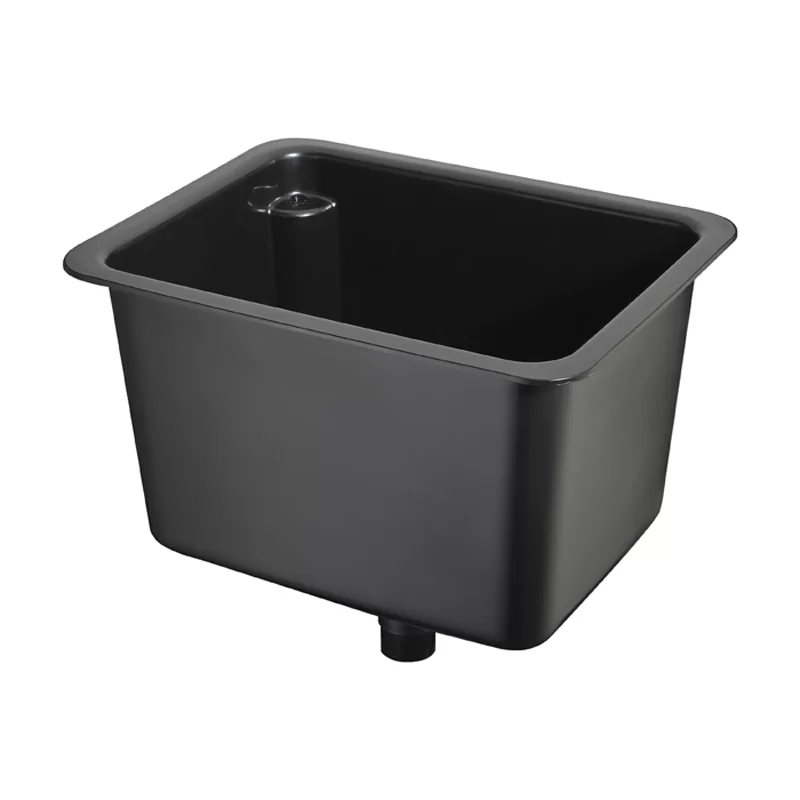
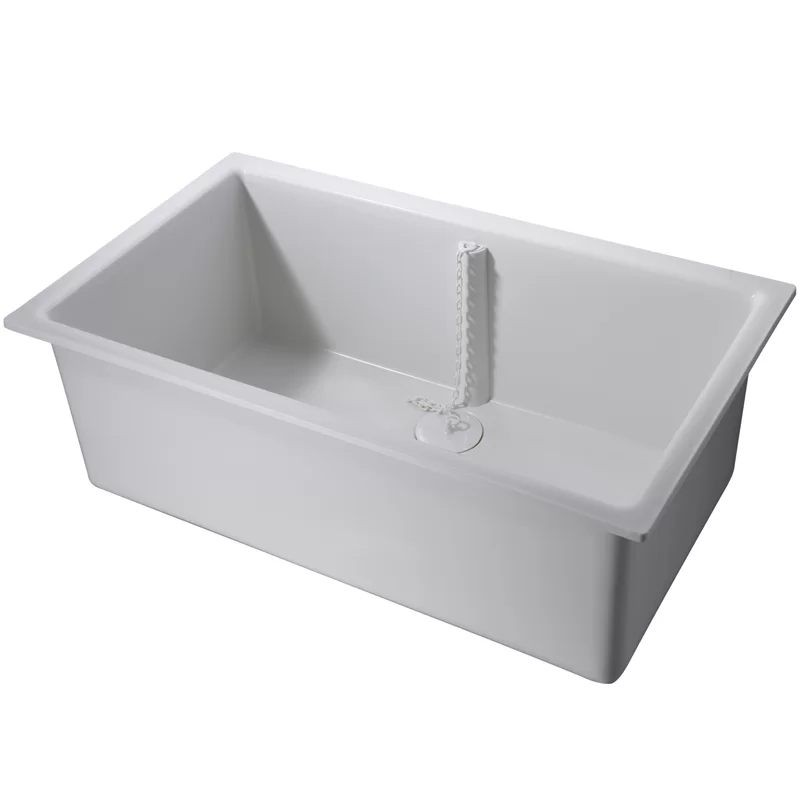
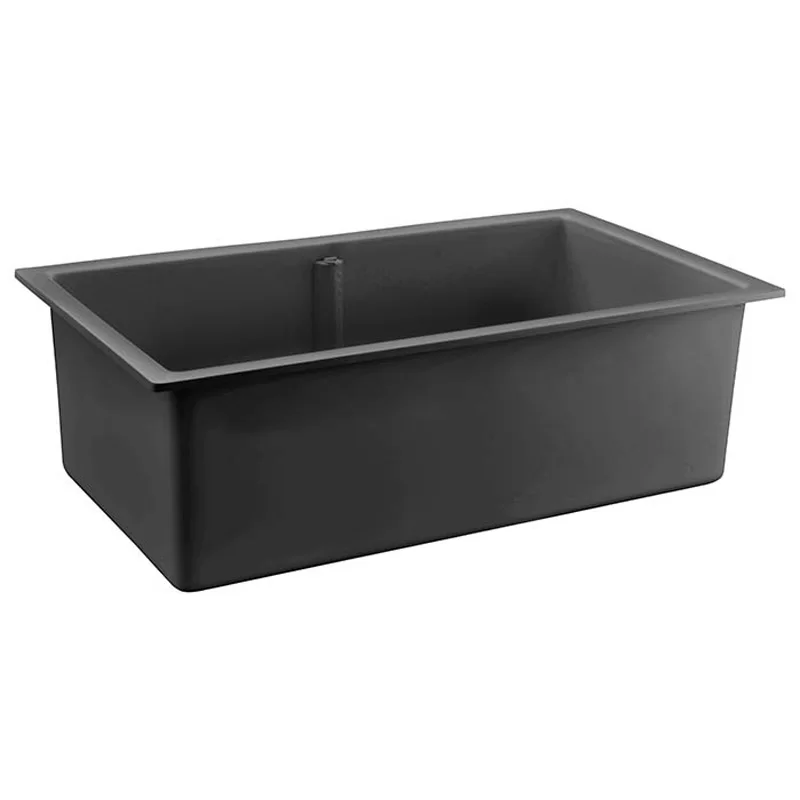
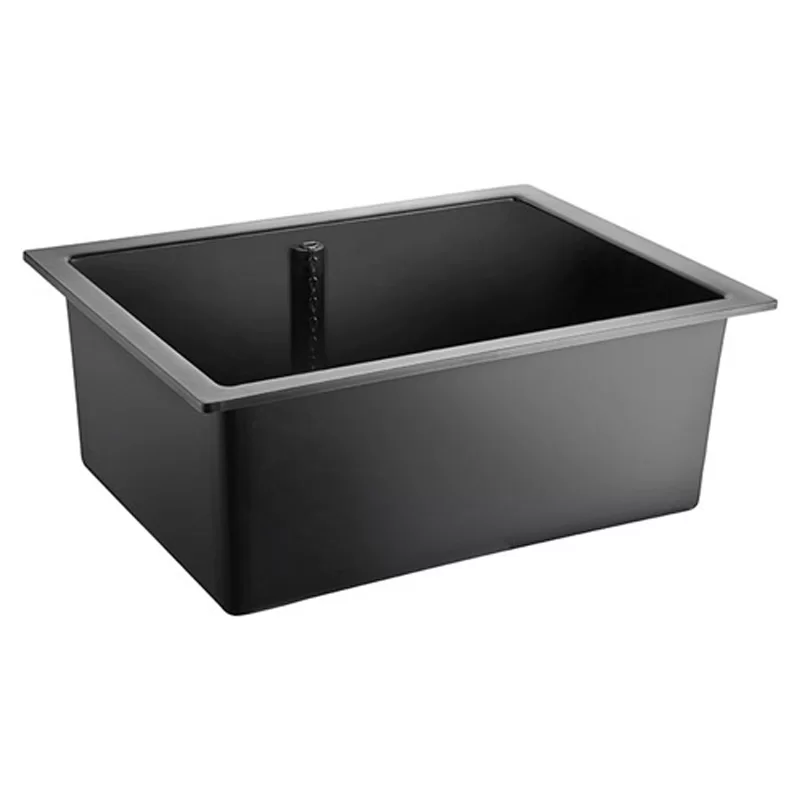
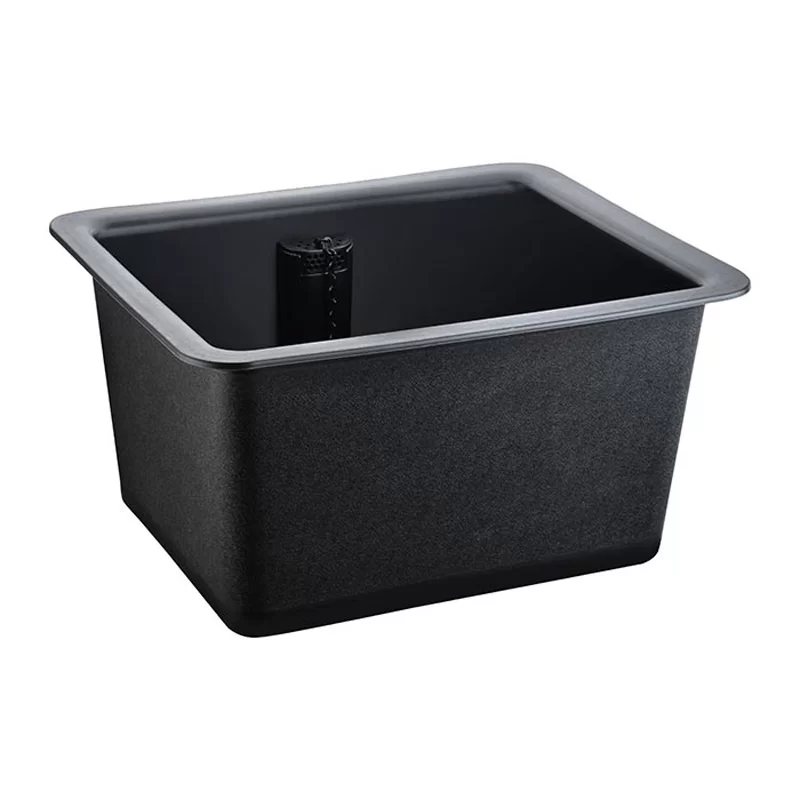
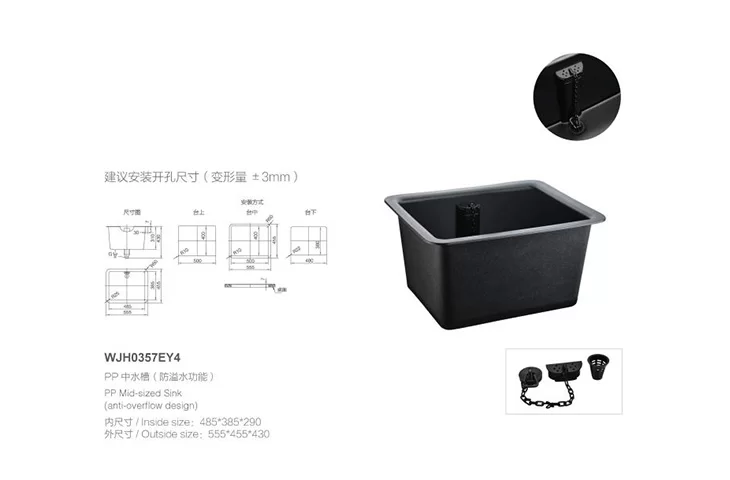
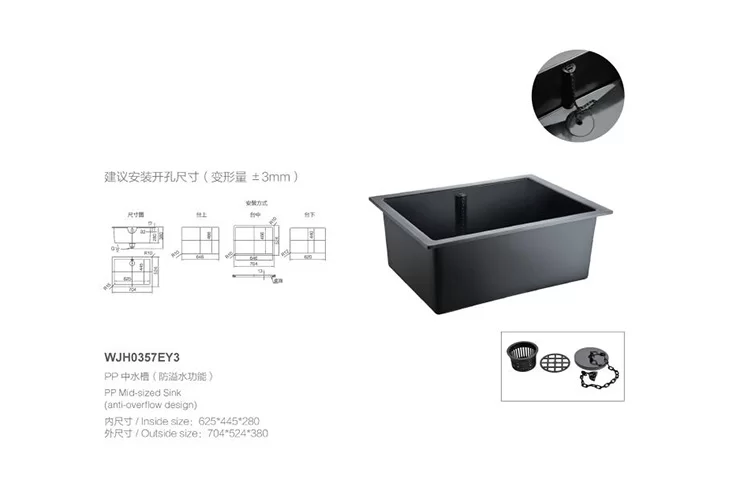
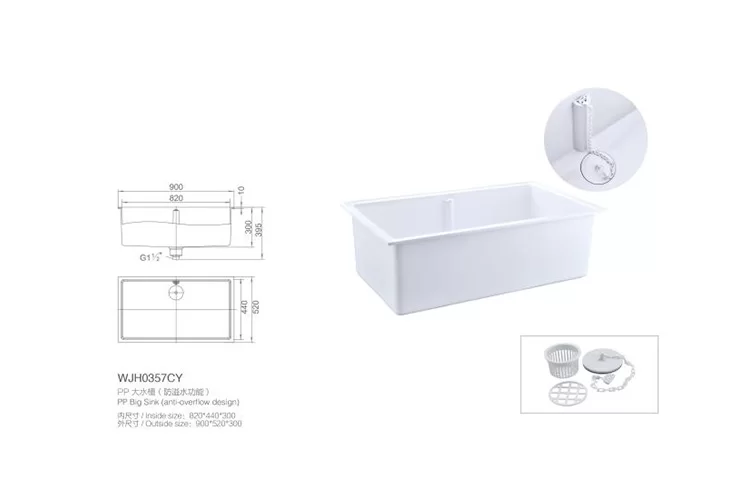
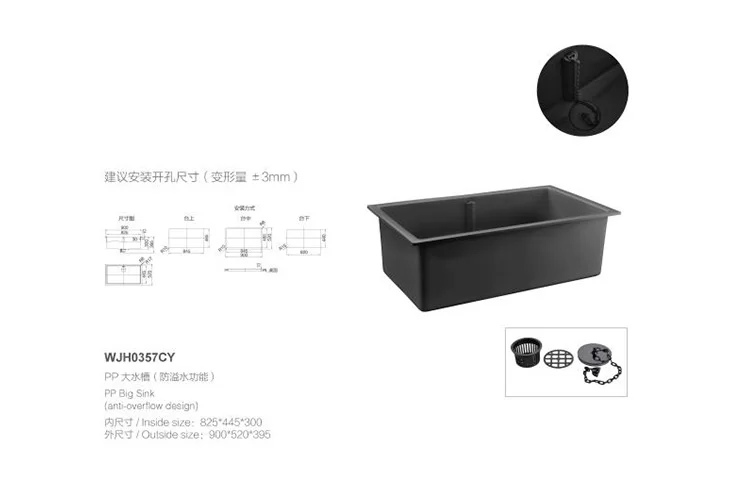
The PP sink with anti-overflow design offers advantages such as resistance to acid and alkali corrosion, anti-overflow, and anti-odor properties. It has become an ideal choice for hospital and university laboratories. If you are looking for a reliable, durable, and fully functional laboratory sink, you should consider this option. It will become an indispensable helper in your experimental work by making the process smoother and more efficient.
Description
Advantages
1. This pp sink is made of polypropylene material. This material has excellent resistance to acids and alkalis and can withstand the erosion of various chemical reagents.
2. The PP material itself has high strength and toughness, and it is not prone to deformation or damage even after long-term use, so it has a long service life.
3. The laboratory pp sink is designed with a thickened structure, making it much more sturdy and stable. Whether placed on the laboratory bench or installed embedded, it can maintain good stability and will not easily shake or tilt.
4. The edges of this pp laboratory sink have been finely polished, without sharp corners. It is safer and more comfortable to use. For laboratory personnel who frequently need to clean glassware or handle large amounts of liquids, such a design is undoubtedly very considerate.
Functions
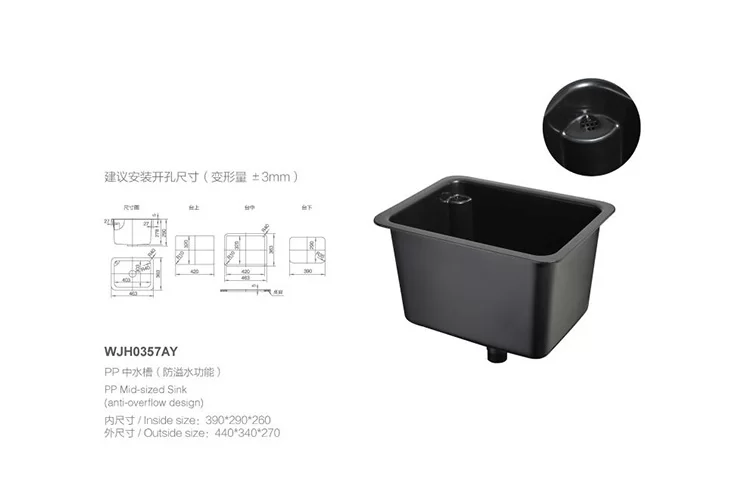
1. This pp sink features an anti-overflow design to eliminate potential safety hazards. In case of operational errors during experiments or water leakage from the faucet, an exclusive anti-leakage device is built into the sink. When the water level reaches the warning height, it will automatically be discharged through the anti-leakage outlet, preventing water from overflowing and soaking the laboratory, thereby reducing the risk of equipment damage and safety incidents.
2. The laboratory pp sink also comes with a deodorizing device to maintain a clean environment. The water sink is equipped with a deodorizing component, which can effectively block the return of odors from the sewer. Even after long-term use, it can maintain a fresh air quality in the laboratory, providing a hygienic and safe environment for experimental operations.